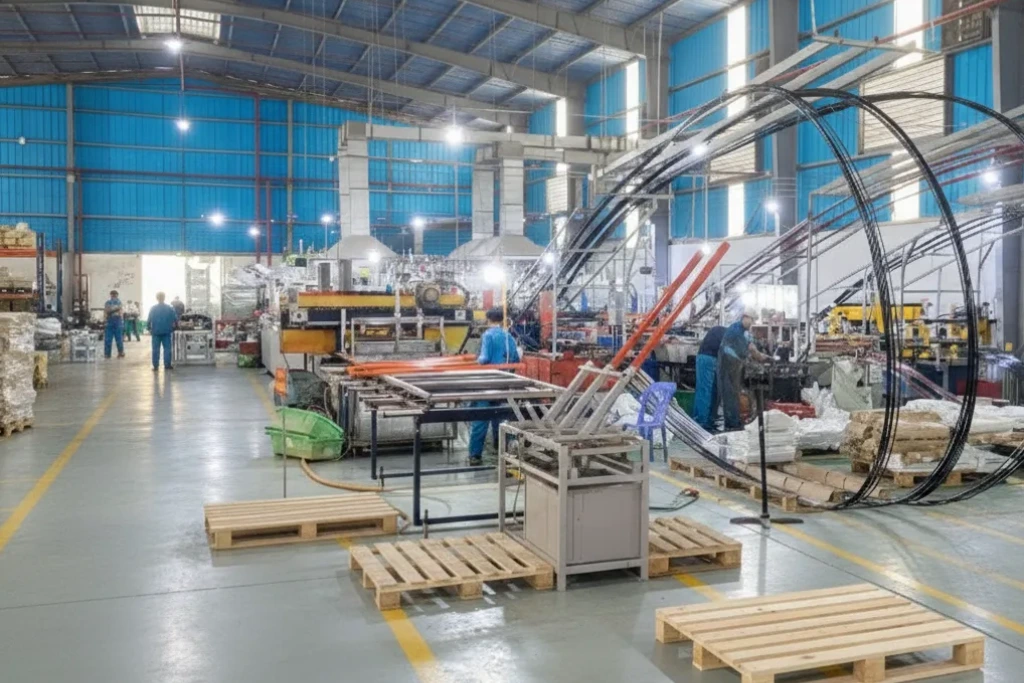
Industrial and commercial buildings increasingly demand roofing materials that offer more than weather protection. Modern roofing systems are expected to maximize natural daylight, reduce energy

Industrial and commercial buildings increasingly demand roofing materials that offer more than weather protection. Modern roofing systems are expected to maximize natural daylight, reduce energy
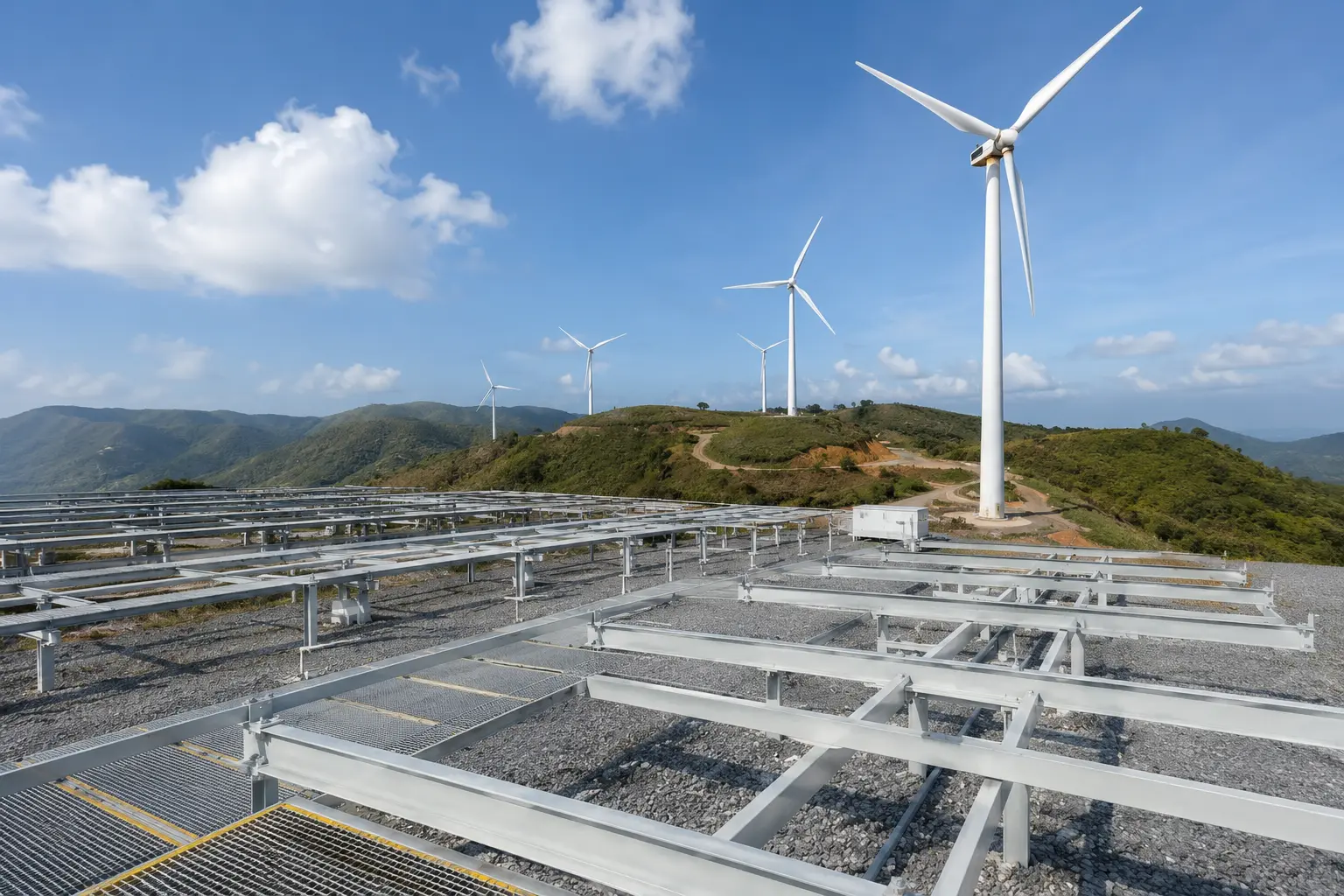
As the global transition toward renewable energy accelerates, the demand for durable, lightweight, and low-maintenance construction materials continues to grow. Solar farms, wind power facilities,
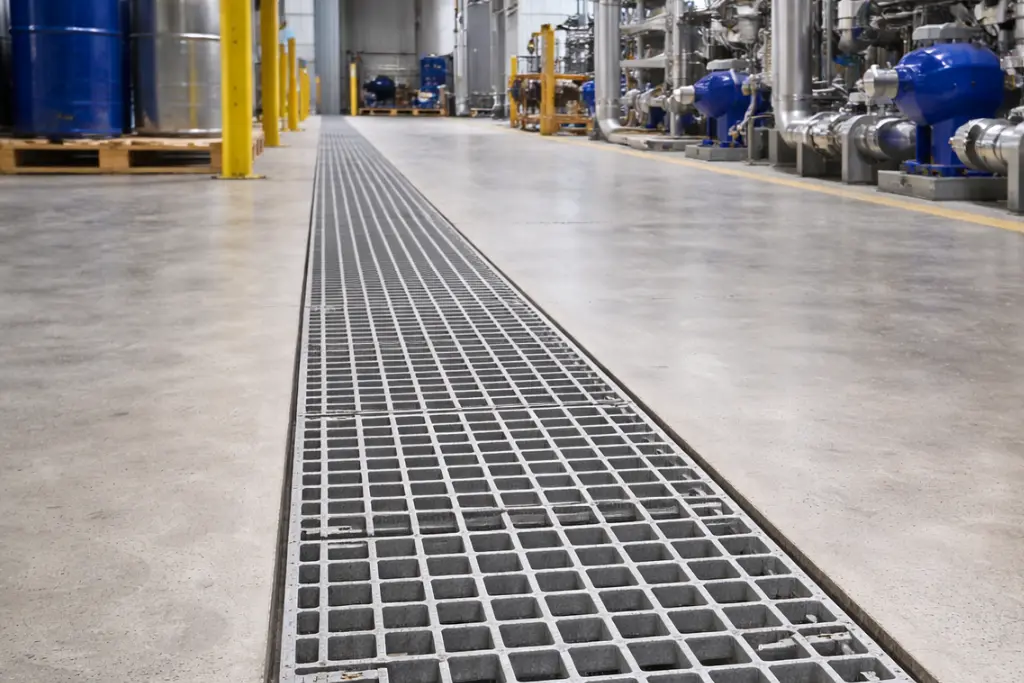
Efficient drainage systems are essential for maintaining safety, operational continuity, and structural durability in industrial and infrastructure projects. In environments exposed to water, chemicals, or
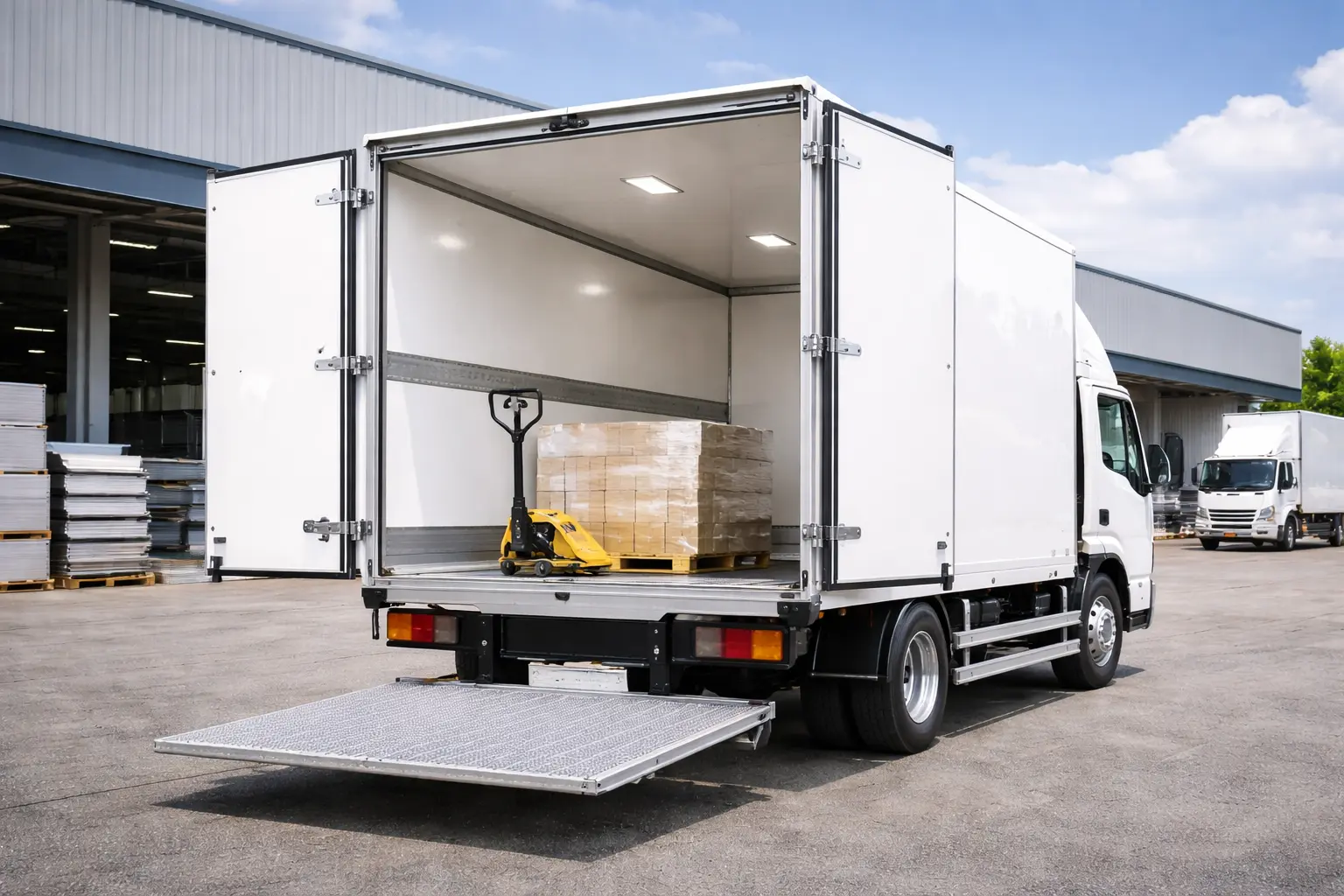
The commercial vehicle industry is undergoing a transformation driven by the need for improved efficiency, durability, and customization. Logistics, cold chain transportation, and specialized industrial
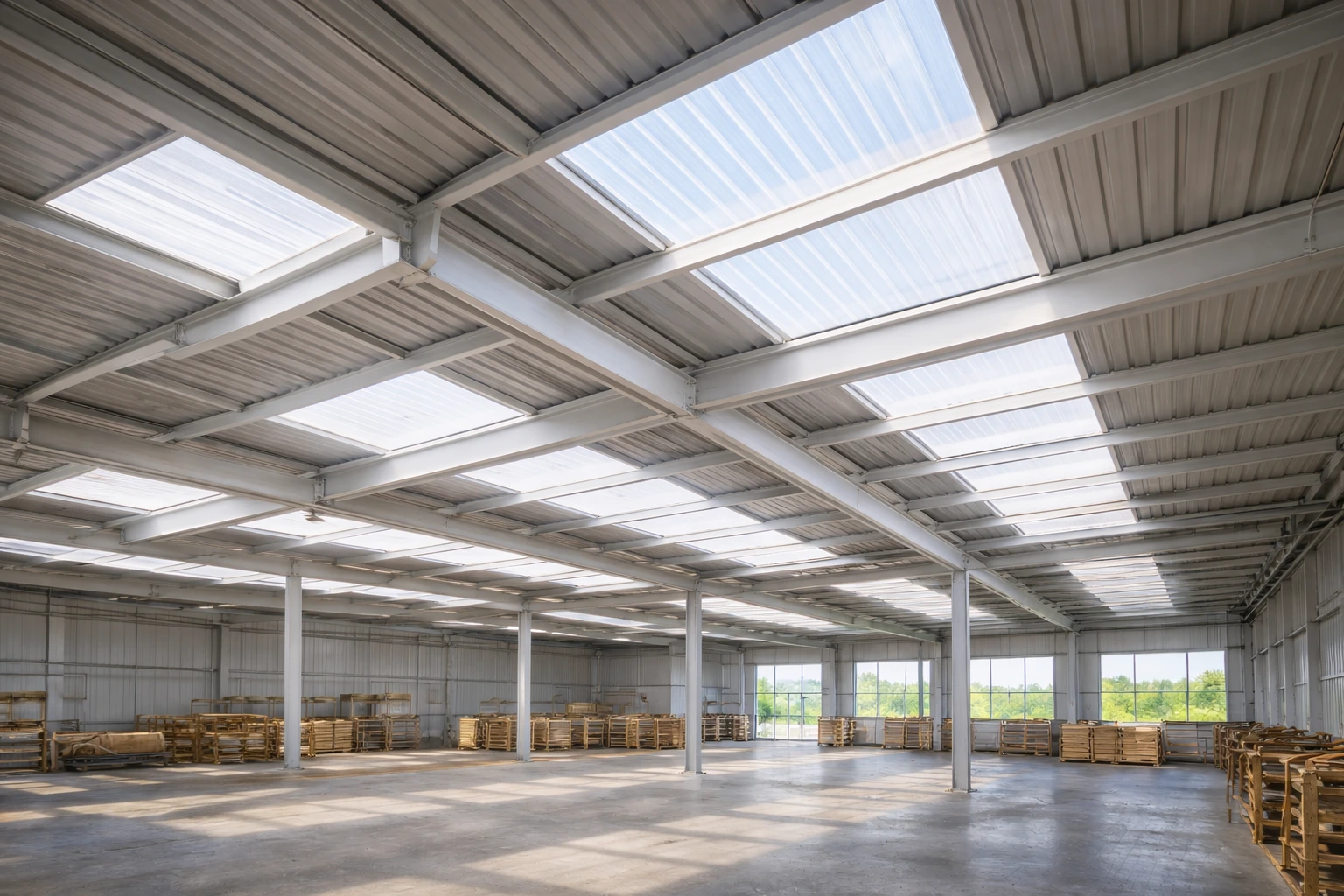
Natural lighting plays a critical role in modern industrial and commercial building design. In large-scale facilities such as factories, warehouses, and processing plants, reducing dependence
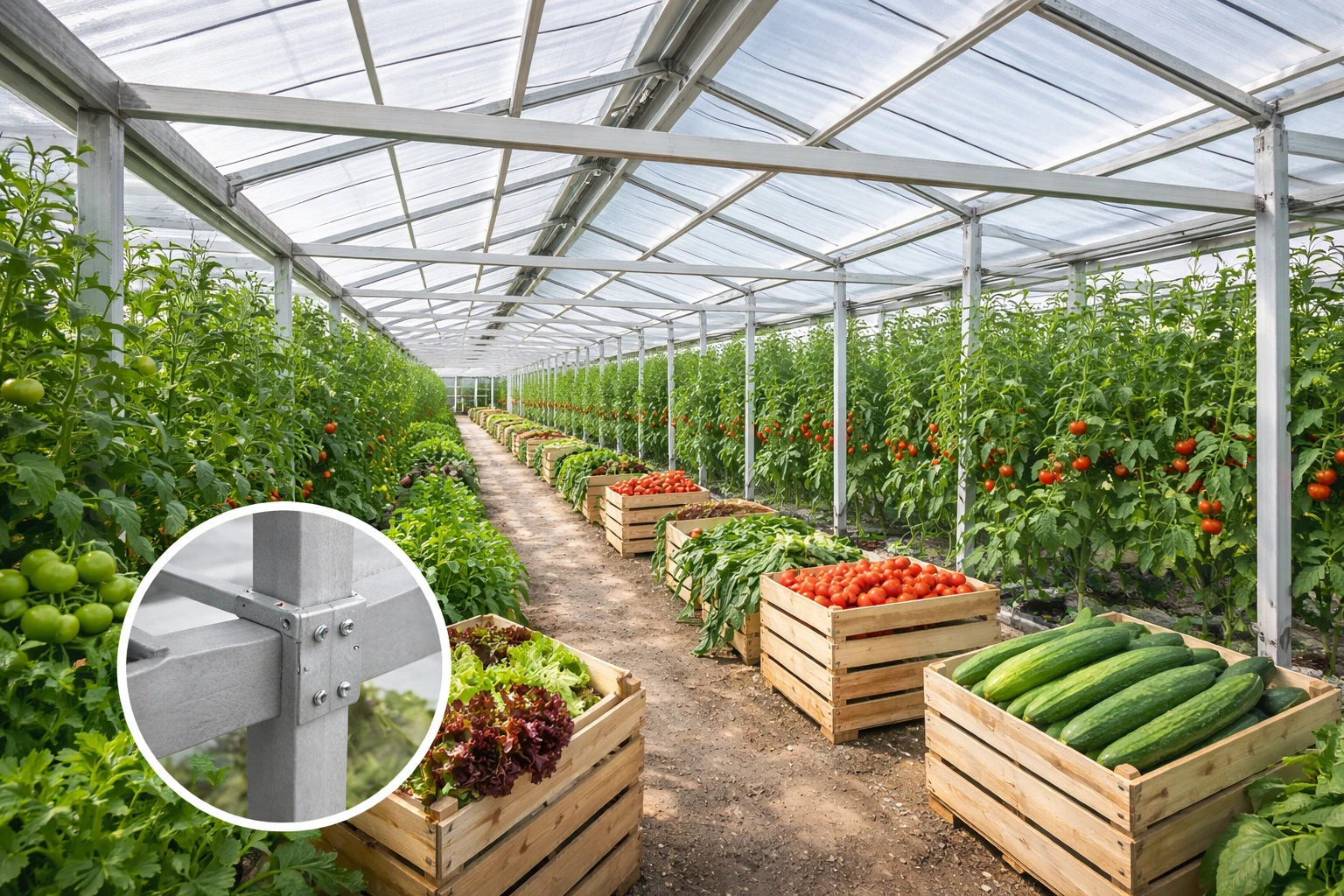
Modern agriculture increasingly relies on controlled environments to improve crop yield, quality, and resource efficiency. Among these systems, greenhouses play a central role by regulating
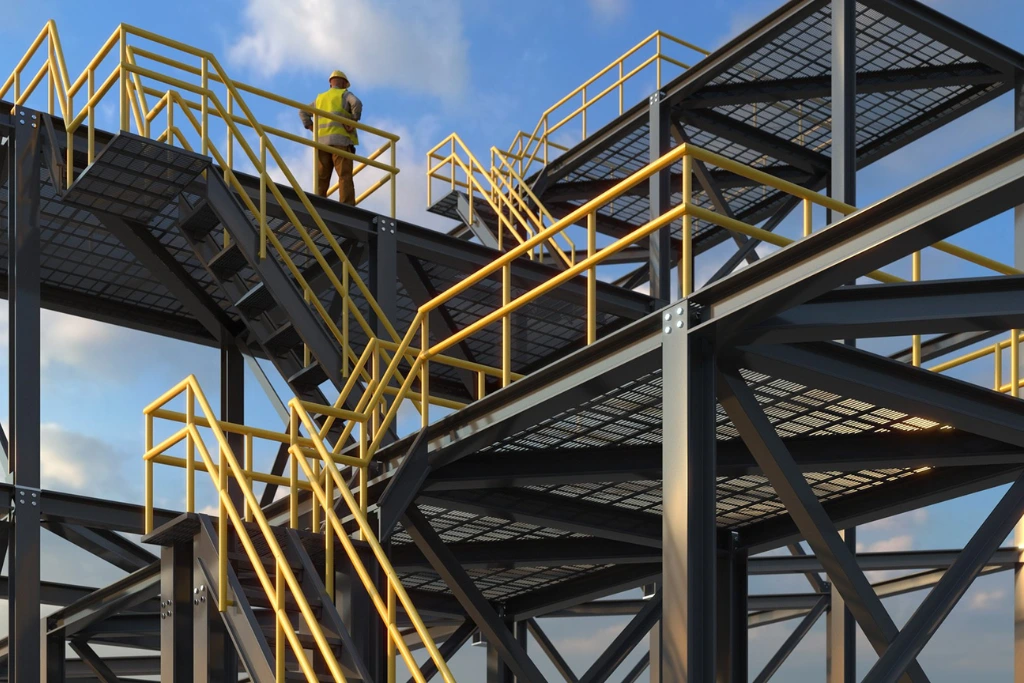
In modern industrial construction, material selection directly affects structural performance, durability, and long-term maintenance costs. Fiberglass Reinforced Polymer (FRP) has increasingly replaced traditional materials in

The global shift toward durable, lightweight, and corrosion-resistant materials has significantly increased demand for fiberglass reinforced polymer (FRP) products. Industrial sectors such as construction, manufacturing,
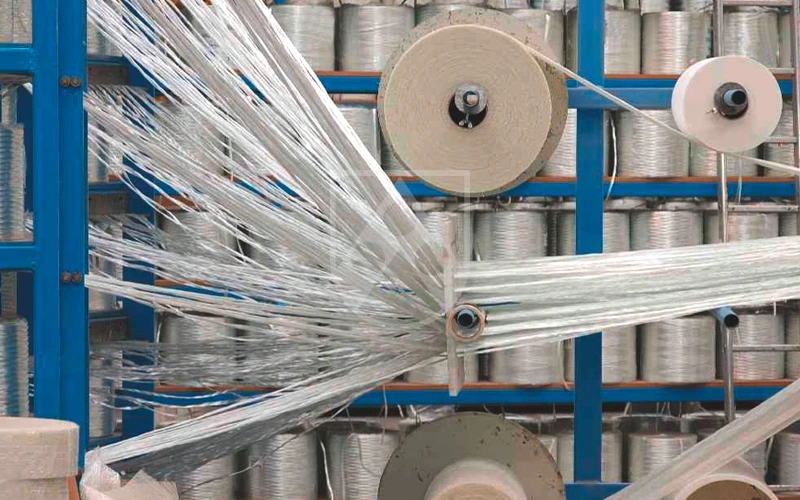
As industrial and infrastructure projects expand worldwide, demand is rising for structural materials that combine strength, durability, and low maintenance. In this context, pultruded FRP
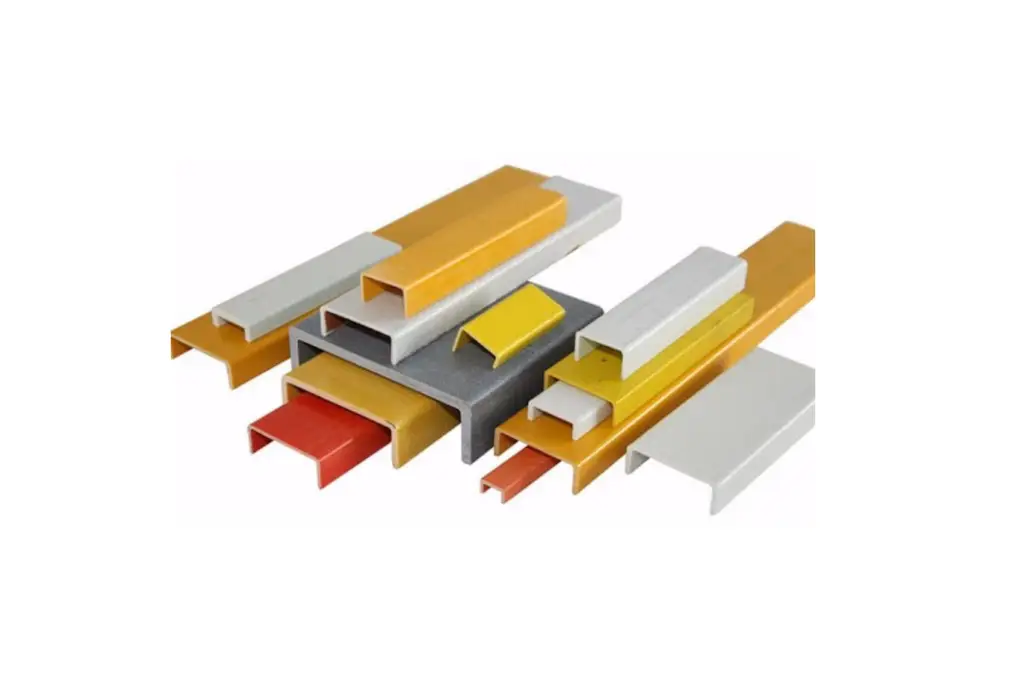
The pultrusion process is one of the most reliable composite manufacturing methods for producing continuous FRP structural profiles with stable mechanical performance. Unlike batch-based fabrication
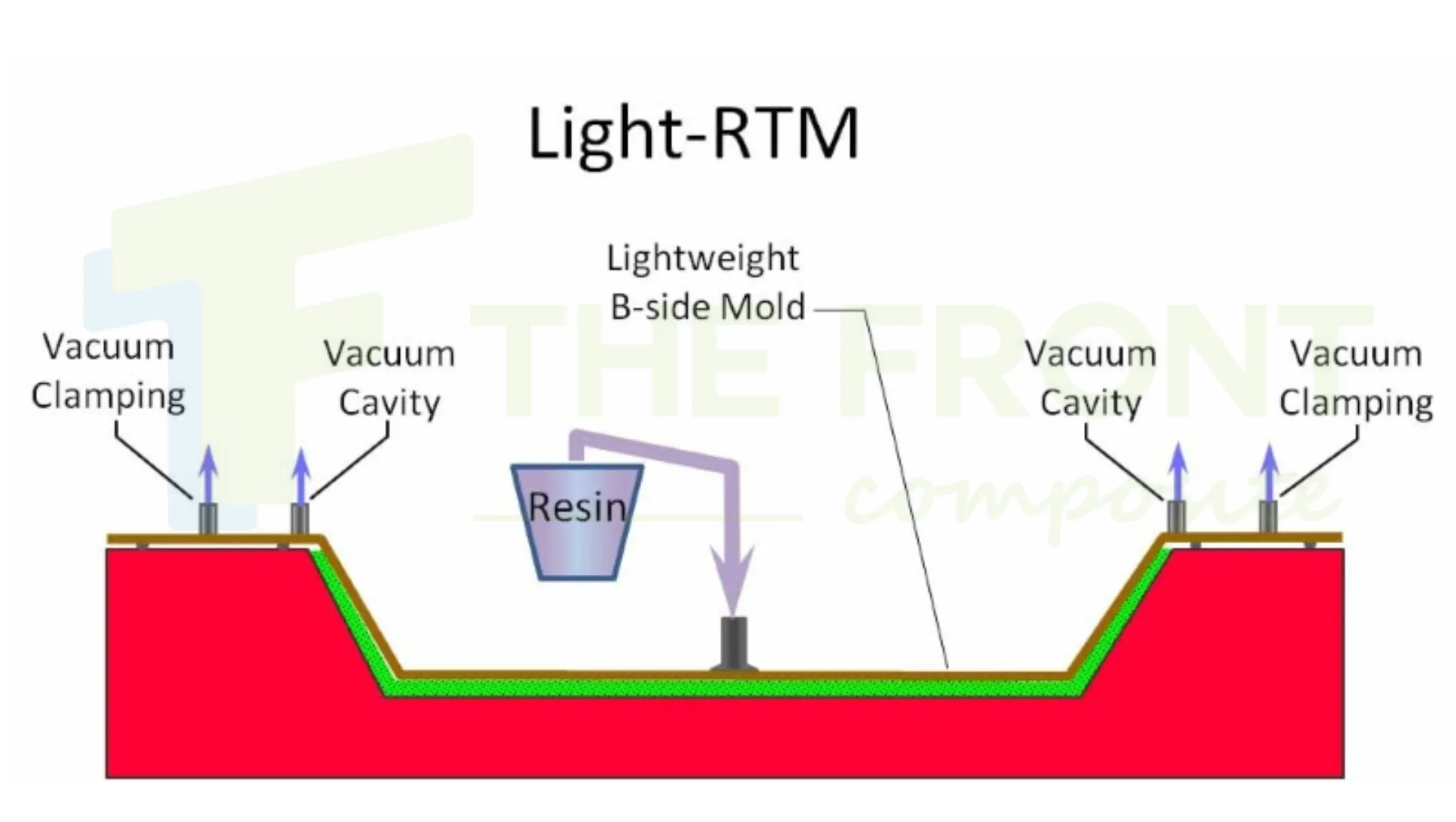
FRP (Fiberglass Reinforced Polymer) has become one of the most important composite materials used in industrial and infrastructure applications. As industries shift toward lightweight, corrosion-resistant,
Industrial engineering increasingly requires materials that combine strength, light weight, and long-term durability in harsh environments. Traditional steel and aluminum components often face problems such