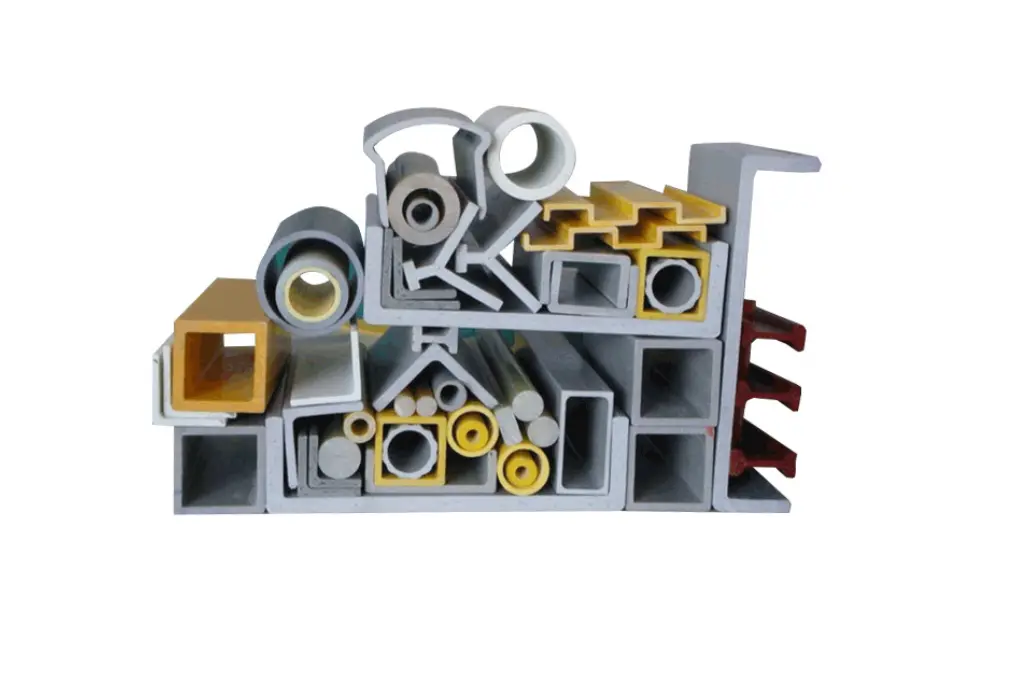
Natural lighting plays a critical role in modern industrial and commercial building design. In large-scale facilities such as factories, warehouses, and processing plants, reducing dependence on artificial lighting can significantly improve energy efficiency and working conditions. However, uncontrolled daylight can introduce challenges such as glare, uneven illumination, and excessive heat gain.
To address these challenges, FRP skylight panel systems are increasingly used as part of engineered daylighting strategies. Rather than simply allowing light into a building, these systems are designed to balance light transmission, diffusion, and thermal performance, ensuring optimal indoor conditions.
The Role of Skylight Panels in Daylighting Design
Daylighting is not only about bringing light into a space, but about controlling how that light behaves.
In industrial buildings, poorly designed skylight systems can result in:
- Uneven light distribution
- Glare affecting worker visibility
- Excessive solar heat gain
- Increased cooling loads
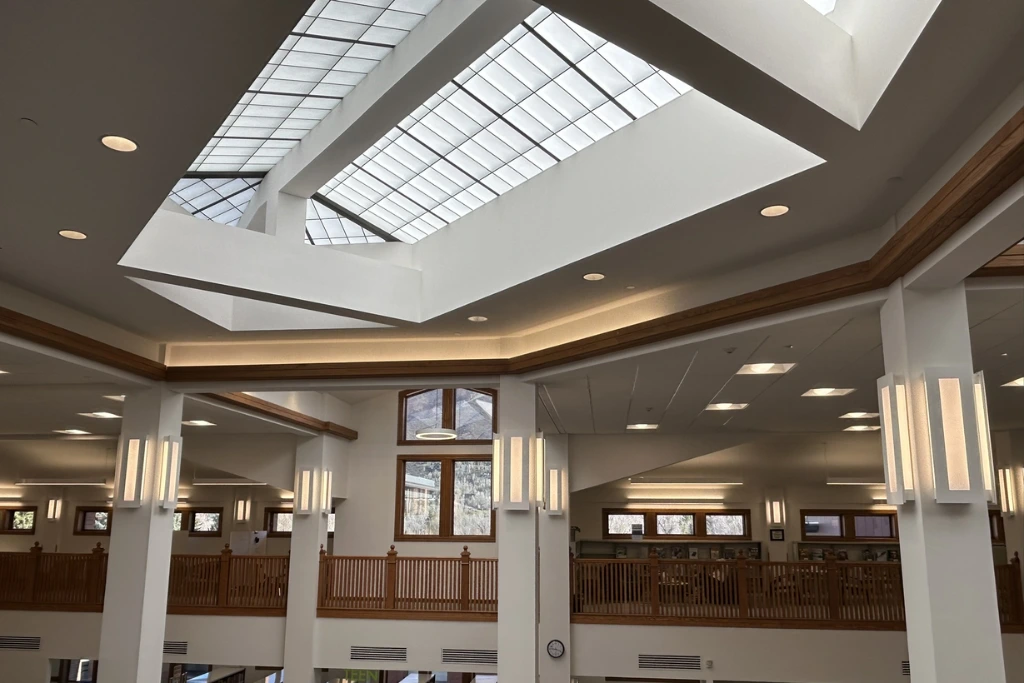
A well-designed FRP skylight panel system provides diffused natural light that improves visibility without creating hotspots or thermal discomfort.
Understanding Light Transmission in FRP Skylight Panels
Light transmission is a key performance factor for skylight materials.
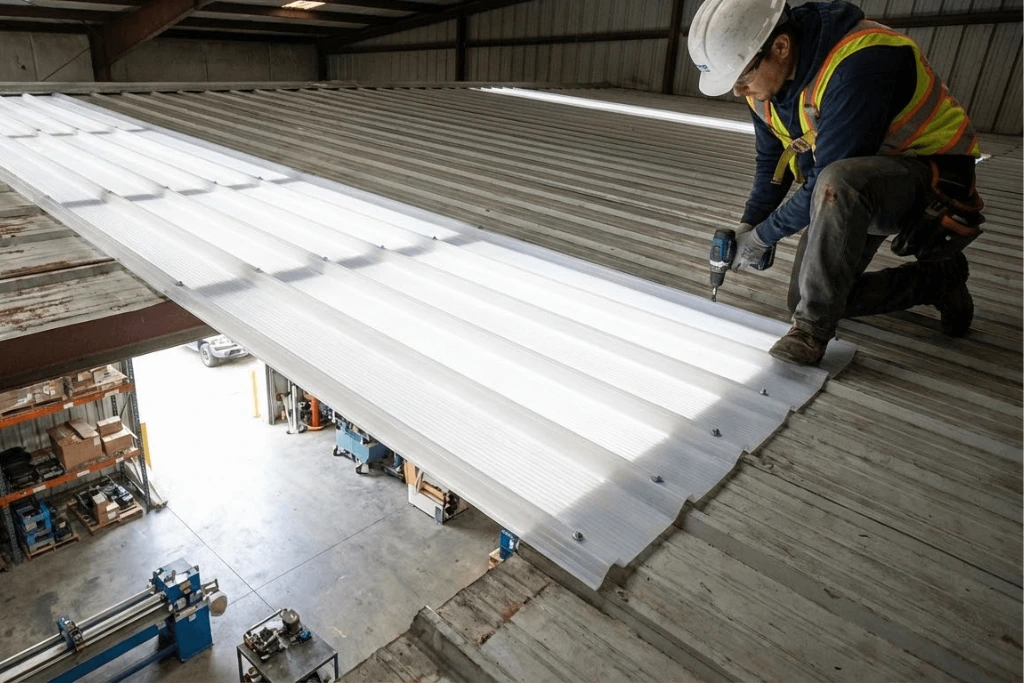
High light transmission FRP panels are engineered to allow a controlled percentage of natural light to pass through while maintaining structural integrity. Unlike transparent materials, FRP translucent panels diffuse light, spreading it evenly across interior spaces.
This diffusion offers several advantages:
- Reduces glare and sharp shadows
- Improves visual comfort in working environments
- Ensures consistent lighting across large floor areas
As a result, FRP natural lighting panels are widely used in industrial roofing systems where uniform illumination is required.
Balancing Light Transmission and Thermal Performance
Effective daylighting requires a balance between light entry and heat control.
Excessive solar radiation can increase indoor temperatures, leading to higher cooling energy consumption. FRP skylight panels are designed to manage this balance by:
- Allowing sufficient daylight penetration
- Limiting excessive heat gain through material composition
- Diffusing sunlight to reduce localized heating
Compared to glass or polycarbonate, FRP panels provide a more controlled lighting environment, making them suitable for facilities requiring stable indoor conditions.
Structural Integration with Roofing Systems
FRP skylight panels are designed to integrate seamlessly with industrial roofing systems.
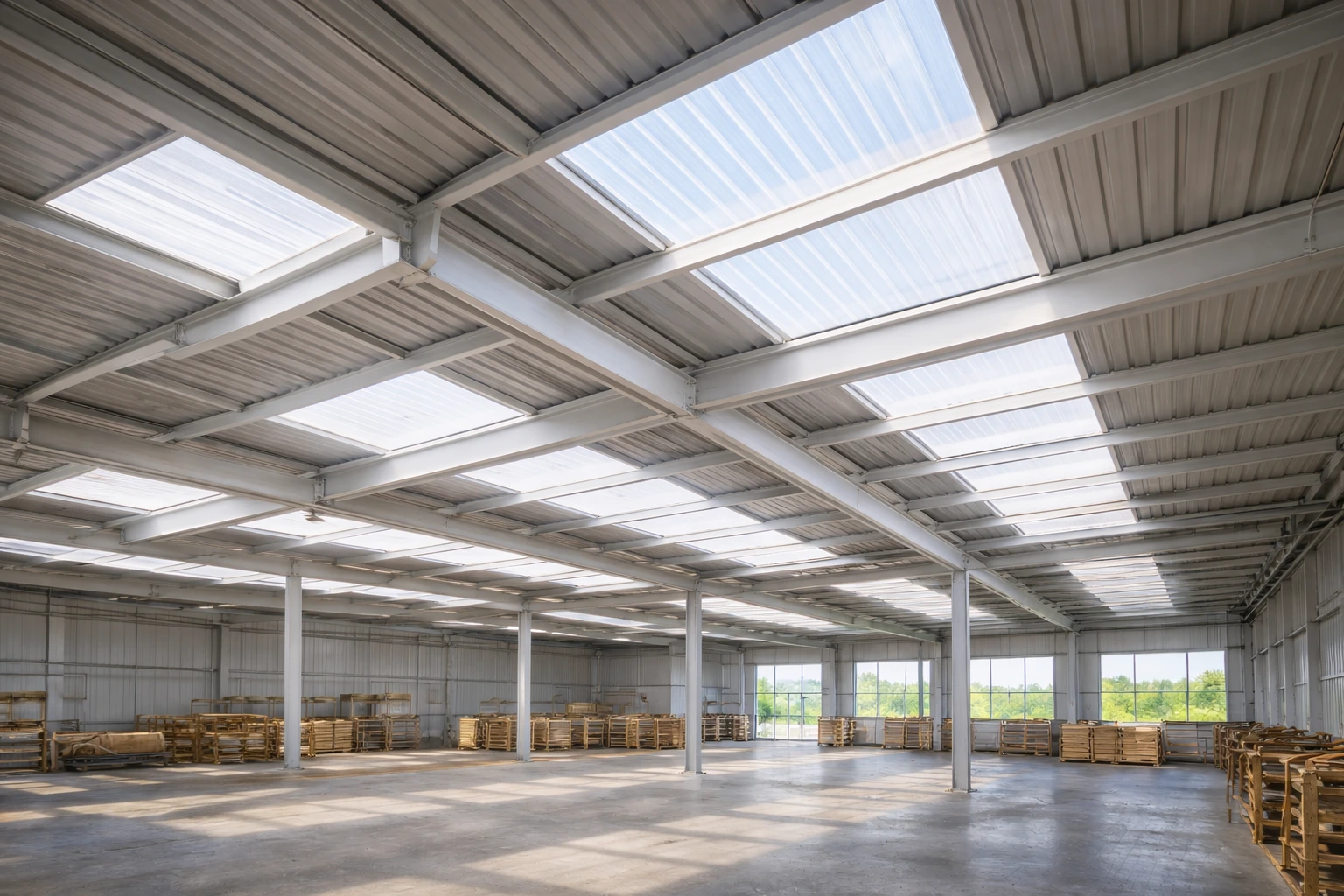
Used alongside standard FRP skylight roofing sheets, these panels are positioned strategically across roof spans to optimize daylight distribution. The spacing and layout of skylight panels are critical to achieving balanced illumination.
Key design considerations include:
- Skylight panel placement relative to roof geometry
- Ratio of skylight area to total roof area
- Alignment with working zones and equipment layout
This system-based approach ensures that daylighting contributes to both energy efficiency and operational productivity.
UV Resistance and Long-Term Optical Performance
Long-term exposure to sunlight can degrade many translucent materials.
UV-resistant FRP skylight panels are designed to maintain both structural and optical performance over time. Unlike materials that yellow or become brittle under UV exposure, FRP panels retain their light transmission properties.
This is particularly important in:
- Tropical regions with high solar intensity
- Industrial buildings with continuous outdoor exposure
- Facilities requiring consistent lighting conditions over time
Weather and Corrosion Resistance in Industrial Environments
Industrial environments often expose skylight systems to harsh conditions.
Moisture, chemicals, and airborne pollutants can degrade traditional materials. Weather-resistant FRP skylight panels and corrosion-resistant FRP skylight panels are designed to withstand these conditions without loss of performance.
This makes them suitable for:
- Chemical processing facilities
- Coastal industrial zones
- Manufacturing plants with high humidity
By maintaining structural integrity, FRP panels ensure reliable long-term operation.
Lightweight Design and Structural Efficiency
Weight plays a significant role in roofing system design.
Lightweight FRP skylight panels reduce structural load compared to glass alternatives, allowing for more efficient roof design. This contributes to:
- Easier installation
- Reduced support structure requirements
- Lower transportation and handling costs
These advantages are particularly valuable in large-span industrial buildings.
Expanding Applications: Roof and Wall Daylighting
FRP skylight systems are not limited to roofing applications.
In addition to roof integration, FRP translucent wall panels can be used to introduce natural light through building facades. This expands daylighting strategies beyond traditional skylight placement.
Applications include:
- Warehouse sidewall lighting
- Industrial building facades
- Storage facilities requiring indirect daylight
This flexibility enhances overall building performance.
Fire Safety Considerations in Skylight Design
Fire performance is an important factor in industrial roofing systems.
FRP fire retardant translucent panels can be used in skylight applications where fire safety requirements are specified. These panels are designed to slow flame spread while maintaining light transmission performance.
Integrating fire-retardant materials into daylighting systems ensures compliance with safety requirements without compromising functionality.
Choosing Reliable FRP Skylight Panel Manufacturers
Material performance depends heavily on manufacturing quality.
Reliable FRP skylight panel manufacturers and FRP skylight sheets suppliers ensure:
- Consistent light transmission properties
- Stable mechanical performance
- Uniform panel thickness and quality
For industrial projects, selecting a supplier with controlled production processes is essential for achieving long-term performance.
THE FRONT and FRP Skylight Panel Solutions
THE FRONT provides FRP panel solutions for industrial roofing and daylighting systems.
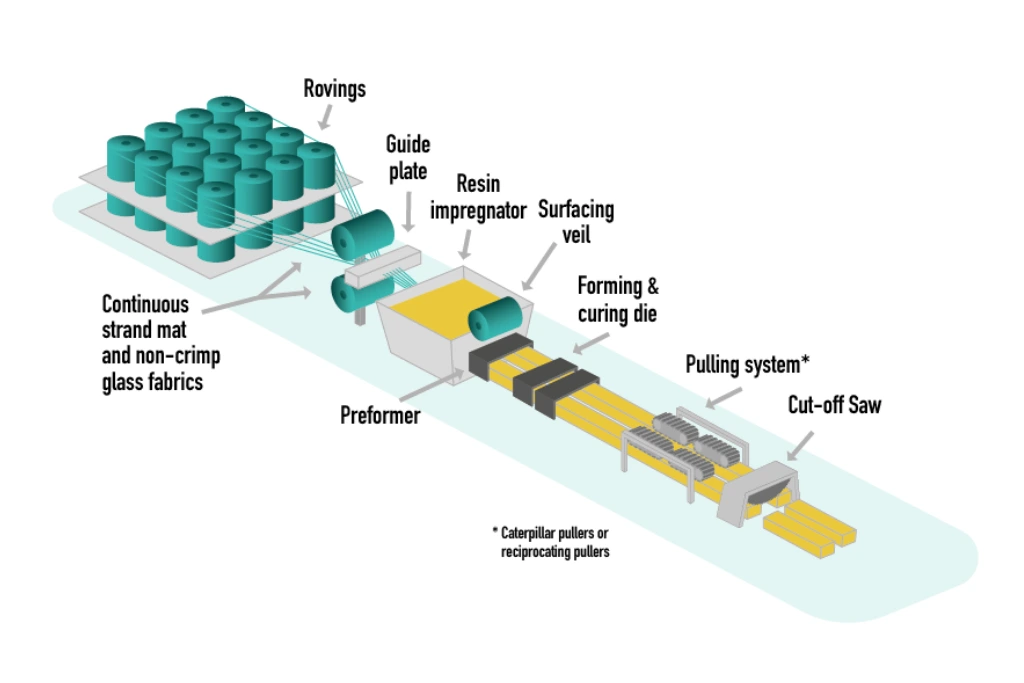
Through its product lines, THE FRONT offers FRP panels designed for applications requiring durability, controlled light transmission, and environmental resistance. These solutions support industrial facilities seeking efficient and reliable daylighting systems.
FRP skylight panel systems play a critical role in modern daylighting design by balancing light transmission and thermal performance.
Unlike traditional materials, FRP panels provide diffused natural light, reduce glare, and maintain long-term durability under harsh environmental conditions.
By integrating high light transmission, UV resistance, corrosion resistance, and lightweight design, FRP skylight panels offer a practical solution for industrial buildings aiming to improve energy efficiency and working conditions.
As daylighting becomes an essential part of sustainable building design, FRP skylight panels continue to demonstrate their value as a high-performance material for controlled natural lighting systems.