Industrial environments exposed to moisture, chemicals, and harsh weather conditions require protective systems that can maintain performance over long service periods. Among these systems, fencing plays a critical role in ensuring safety, operational control, and equipment protection. However, traditional metal fences often suffer from corrosion, structural degradation, and increasing maintenance costs over time.
In this context, FRP fence systems have become a reliable alternative. Built from pultruded composite materials, FRP fencing solutions offer long-term durability, corrosion resistance, and stable performance in demanding industrial environments.
Challenges of Fencing in Corrosive Industrial Environments
Corrosive environments significantly reduce the lifespan of conventional fencing systems.
Facilities such as chemical plants, wastewater treatment stations, coastal factories, and heavy industrial zones expose fencing materials to aggressive conditions including humidity, acids, salts, and industrial fumes. Steel fences, even when coated or galvanized, are vulnerable to rust and surface degradation over time.
These issues lead to:
- Frequent maintenance and repainting
- Structural weakening at joints and connections
- Increased operational costs
- Reduced safety reliability
As a result, industries are shifting toward materials that offer inherent resistance to corrosion rather than relying on surface protection.
What Is an FRP Fence System?
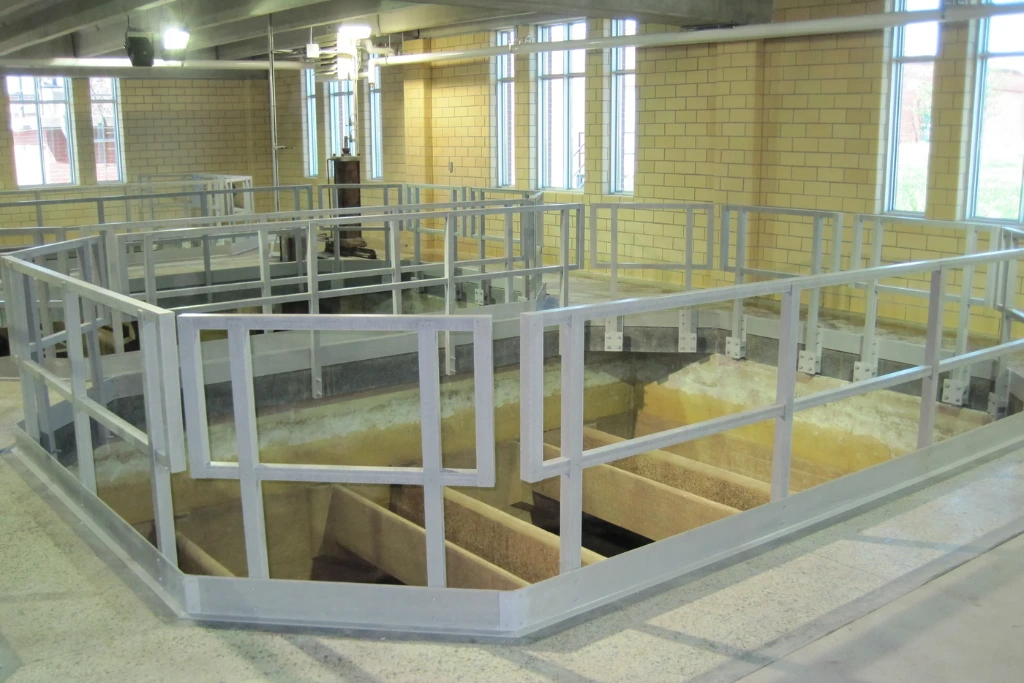
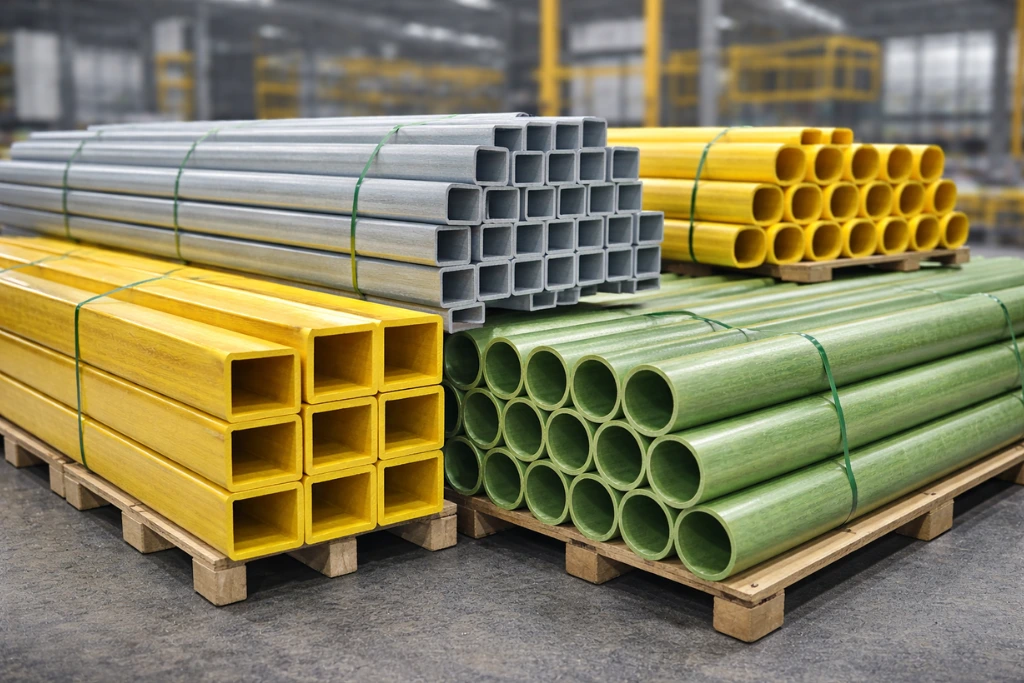
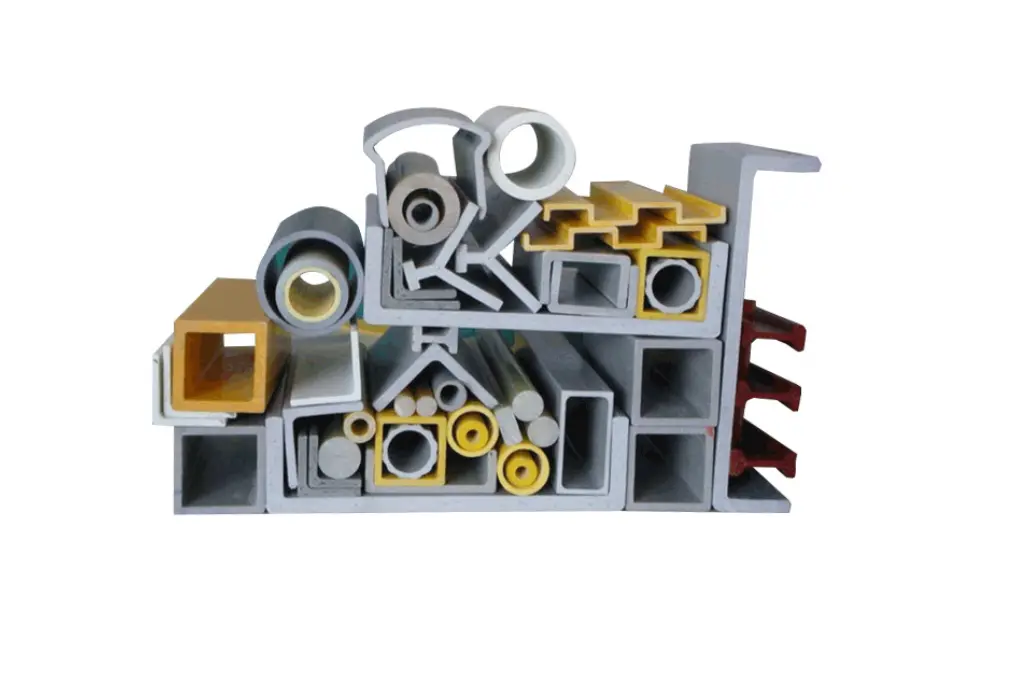
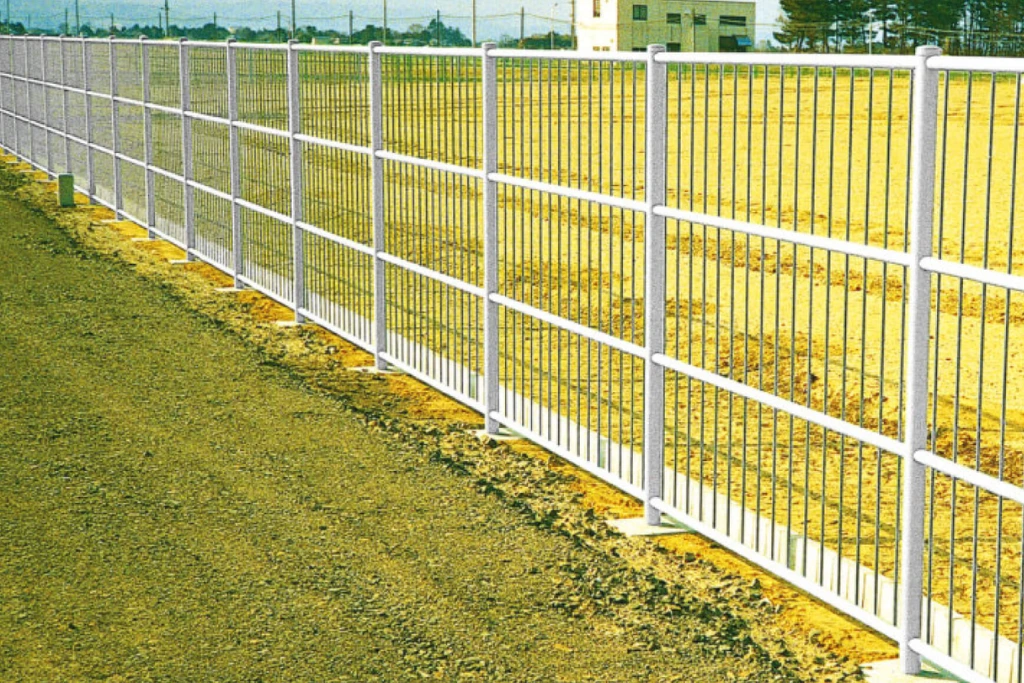
An FRP fence is a structural fencing system made from pultruded FRP structural profiles.
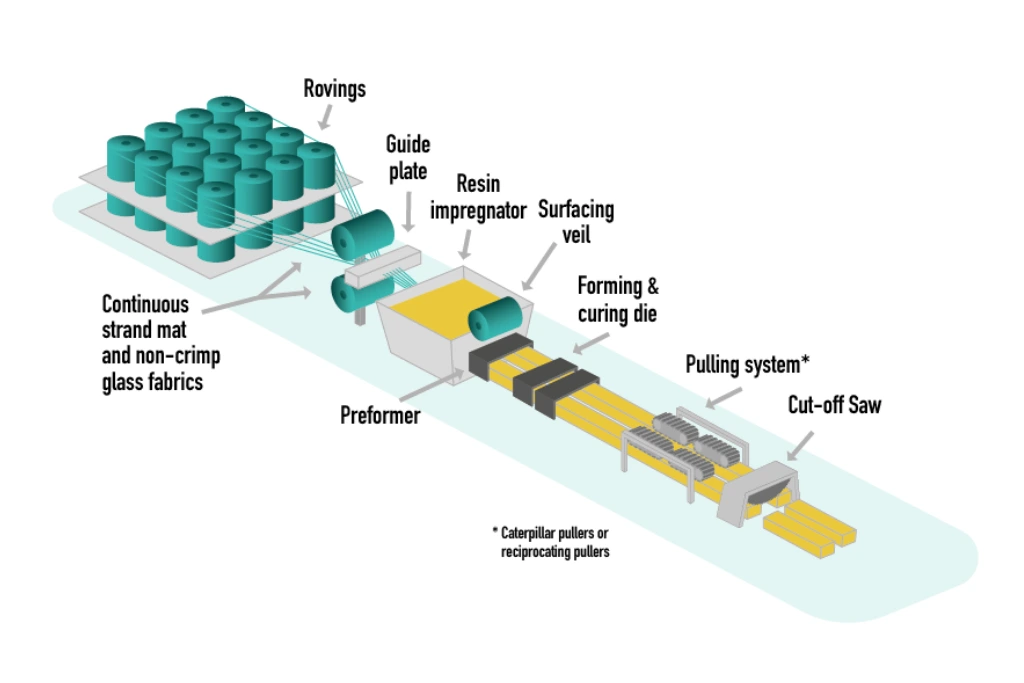
These systems are manufactured using pultruded FRP structural profiles, where continuous fiberglass reinforcement is combined with resin to create lightweight and durable composite sections. The profiles maintain uniform geometry and consistent mechanical properties along their length.
Typical FRP fence components include:
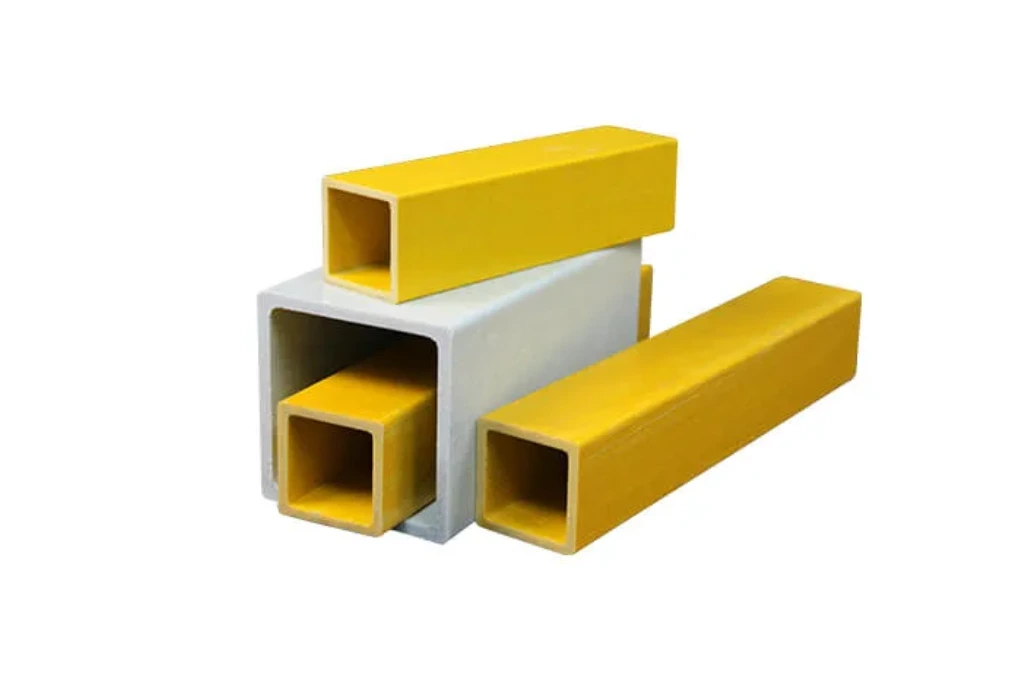
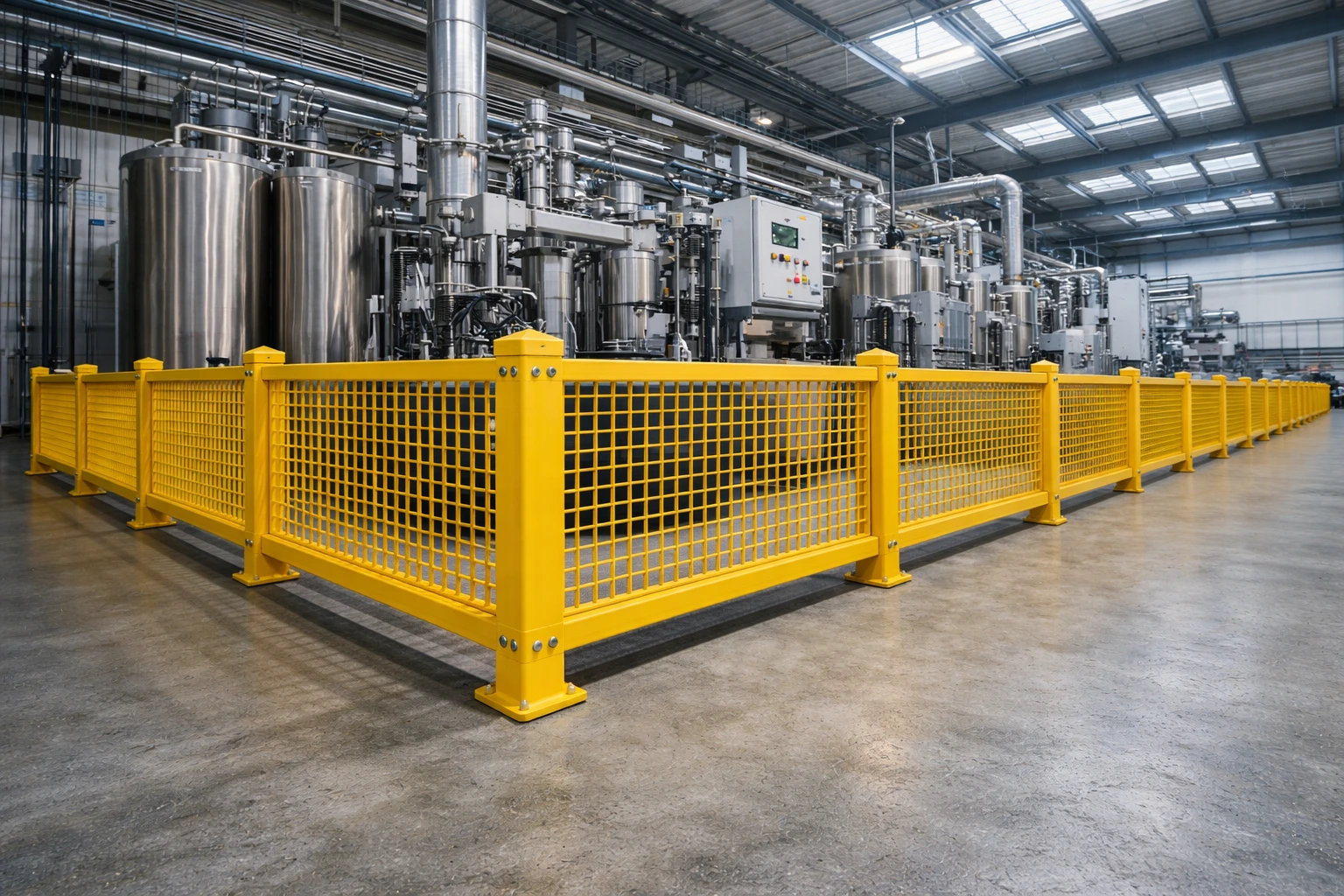
- Vertical posts made from square or rectangular tubes
- Horizontal rails using FRP beams or channels
- Panels or grating sections for enclosure
- Connection elements designed for modular assembly
This modular design allows FRP fencing systems to be adapted for different industrial applications.
Corrosion Resistance as a Core Advantage
The primary advantage of FRP fence systems is their inherent resistance to corrosion.
Unlike steel, which corrodes when exposed to moisture and chemicals, FRP materials remain stable because corrosion resistance is built into the material itself. Corrosion-resistant FRP profiles do not rely on coatings or surface treatments, ensuring long-term durability even in aggressive environments.
This makes FRP fences particularly suitable for:
- Chemical processing facilities
- Coastal industrial zones
- Wastewater treatment plants
- Fertilizer and mining operations
By maintaining structural integrity over time, FRP fences reduce maintenance requirements and improve operational reliability.
Electrical Safety and Insulation Performance
FRP fence systems provide a high level of electrical safety due to their non-conductive properties.
In facilities with electrical equipment or high-voltage systems, traditional metal fences pose a risk of electrical conduction. In contrast, non-conductive FRP fencing offers inherent insulation, reducing the risk of electrical hazards.
Applications include:
- Electric security FRP fence systems for substations
- Insulation FRP fence for electrical infrastructure
- Protective barriers in industrial power systems
These properties make FRP fencing an effective solution for safety-critical environments.
Lightweight Design and Installation Efficiency
Lightweight FRP profiles simplify transportation and installation.
Compared to steel, lightweight FRP profiles reduce handling effort and installation time. This is particularly beneficial for large industrial sites or remote locations where logistics and labor efficiency are critical.
Advantages include:
- Faster installation and assembly
- Reduced structural load on foundations
- Easier replacement or modification
- Lower transportation costs
This efficiency makes FRP fencing systems suitable for both permanent and temporary installations.
Application: FRP Fence for Movable Isolation Systems
FRP fence movable isolation systems provide flexible solutions for industrial site management.
In many industrial facilities, temporary barriers are required to isolate maintenance zones, control access, or manage workflow. FRP fence movable isolation systems offer a reusable and corrosion-resistant alternative to traditional barriers.
Key benefits include:
- Lightweight and easy repositioning
- Resistance to harsh environmental conditions
- Long service life with minimal maintenance
These systems are widely used in factories, warehouses, and construction environments.
Application: FRP Traffic Fence and Safety Barriers
FRP traffic fence systems are used to manage movement and enhance safety in industrial and infrastructure settings.
These fences help guide vehicle and pedestrian flow, especially in areas exposed to environmental stress. FRP traffic fence solutions maintain structural stability without corrosion, ensuring consistent performance over time.
Their durability and low maintenance requirements make them suitable for:
- Industrial zones
- Roadside infrastructure
- Logistics and distribution centers
Outdoor Performance and UV Resistance
FRP fences maintain performance under long-term outdoor exposure.
Industrial fencing systems must withstand sunlight, temperature fluctuations, and weather conditions. UV-resistant FRP profiles are designed to retain structural integrity and surface quality over time.
Applications include:
- FRP garden fences in outdoor industrial landscapes
- Perimeter fencing for facilities exposed to sunlight
- Infrastructure in coastal or high-temperature regions
This durability reduces the need for repainting or surface treatment.
Structural Stability from Pultruded FRP Profiles
The performance of FRP fences is directly linked to the quality of pultruded structural profiles.
Pultrusion aligns fiberglass reinforcement along the profile length, creating high-strength FRP structural profiles with predictable mechanical behavior. This ensures that fencing systems remain stable under mechanical loads and environmental stress.
The use of non-conductive FRP structural profiles further enhances safety and reliability in industrial applications.
THE FRONT and STRONX FRP Fence Solutions
THE FRONT develops FRP fence systems using pultruded profiles through its STRONX product line.
STRONX, the pultruded composite product line of THE FRONT, includes structural profiles designed for industrial fencing applications. These profiles support the development of durable, lightweight, and corrosion-resistant fencing systems.
By focusing on manufacturing consistency and export-oriented supply, THE FRONT provides FRP fencing solutions suitable for industrial environments and global markets.
FRP fence systems provide a long-term solution for industrial facilities operating in corrosive environments.
By combining corrosion resistance, lightweight design, electrical insulation, and structural stability, FRP fencing addresses many limitations of traditional metal systems.
Through pultruded composite technology and the STRONX product line, THE FRONT supports industrial projects with FRP fence solutions designed for durability, safety, and long-term performance. As industries continue to prioritize reliability and lifecycle efficiency, FRP fencing systems are becoming an essential component of modern industrial infrastructure.