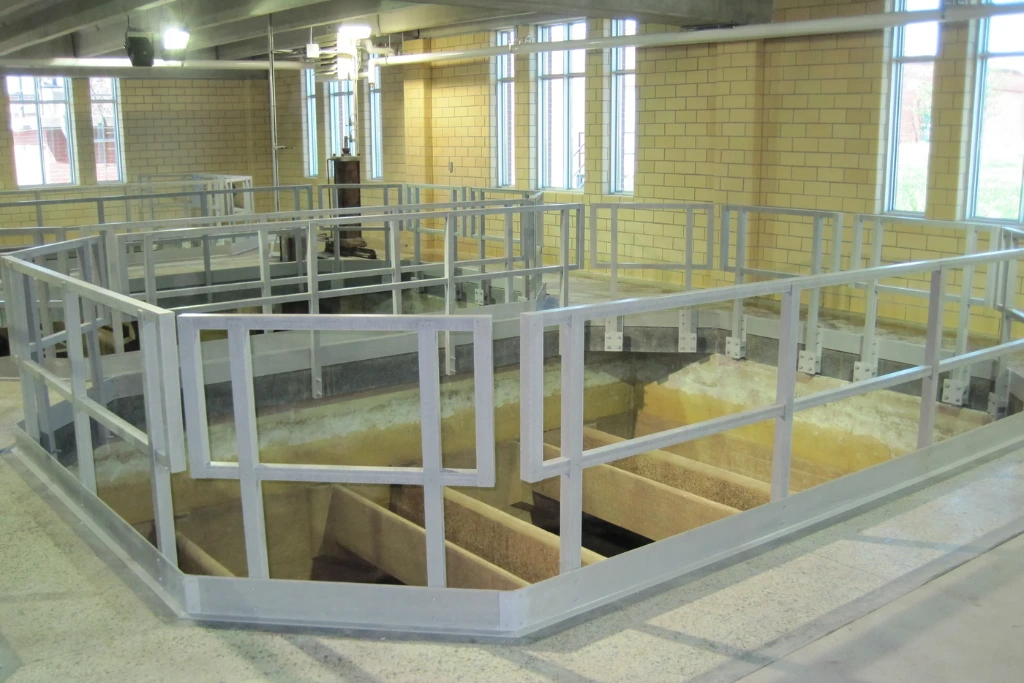
The United States is one of the most technically demanding markets for industrial construction materials. From chemical processing plants to power generation facilities, structural components are expected to meet strict requirements related to safety, durability, and long-term performance. In this environment, FRP pultruded profiles suppliers in USA are evaluated not only on product availability, but also on their ability to deliver corrosion-resistant, non-conductive, and structurally consistent composite solutions.
As industrial sectors continue to shift away from traditional metallic materials, pultruded FRP profiles are becoming an essential part of modern industrial design and infrastructure development.
Market Expectations for FRP Pultruded Profiles in the USA
Industrial projects in the USA prioritize performance stability over initial material cost.
Facilities operating in heavy industrial environments often face aggressive conditions such as chemical exposure, high humidity, salt air, and continuous mechanical loading. As a result, material selection focuses on long-term durability, reduced maintenance, and safety compliance.
Key expectations for FRP pultruded profiles in the USA include:
- Resistance to corrosion and chemical attack
- Predictable structural behavior under load
- Electrical non-conductivity for safety-critical areas
- Long service life with minimal maintenance
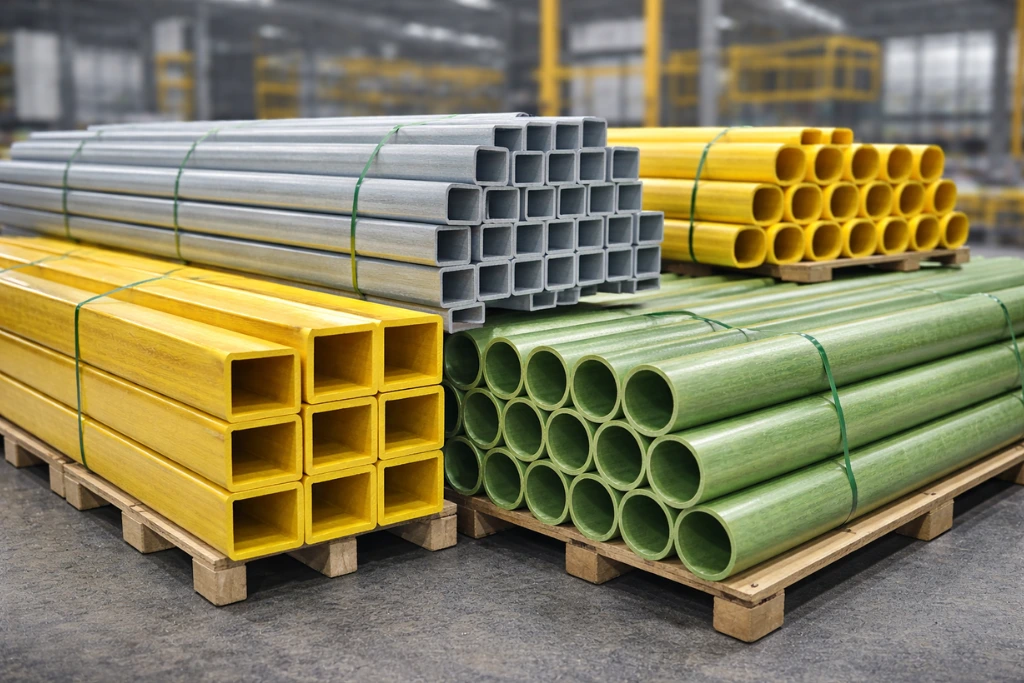
These requirements have driven increased demand for high-quality pultruded FRP structural profiles across multiple industries.
Role of Pultruded FRP Profiles in Heavy Industrial Applications
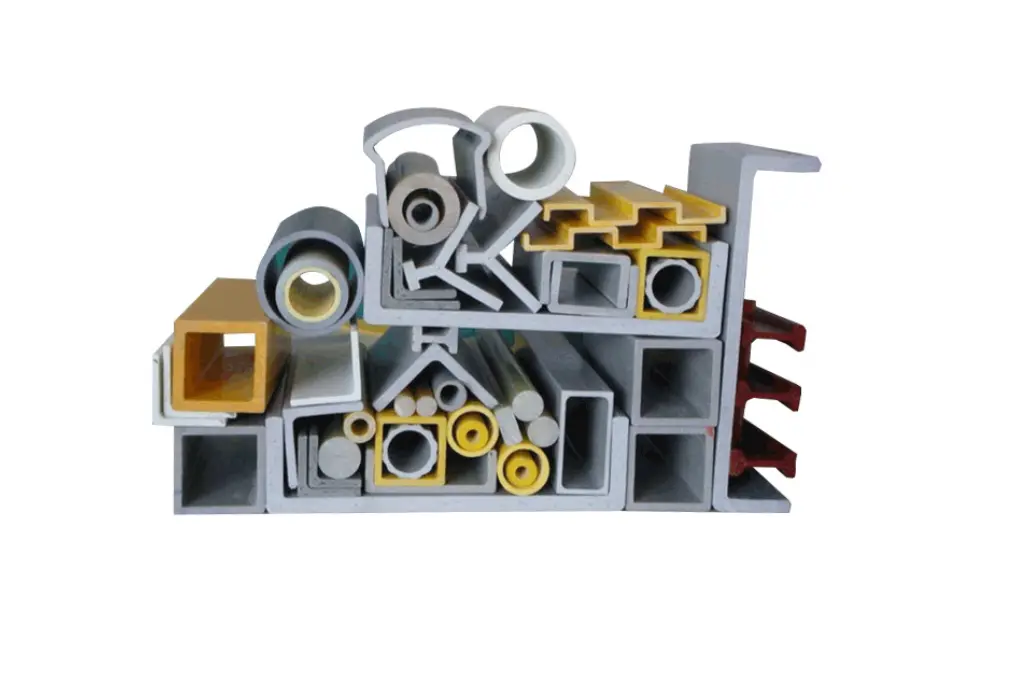
Pultruded FRP profiles are widely used in heavy industrial applications due to their material stability and manufacturing consistency.
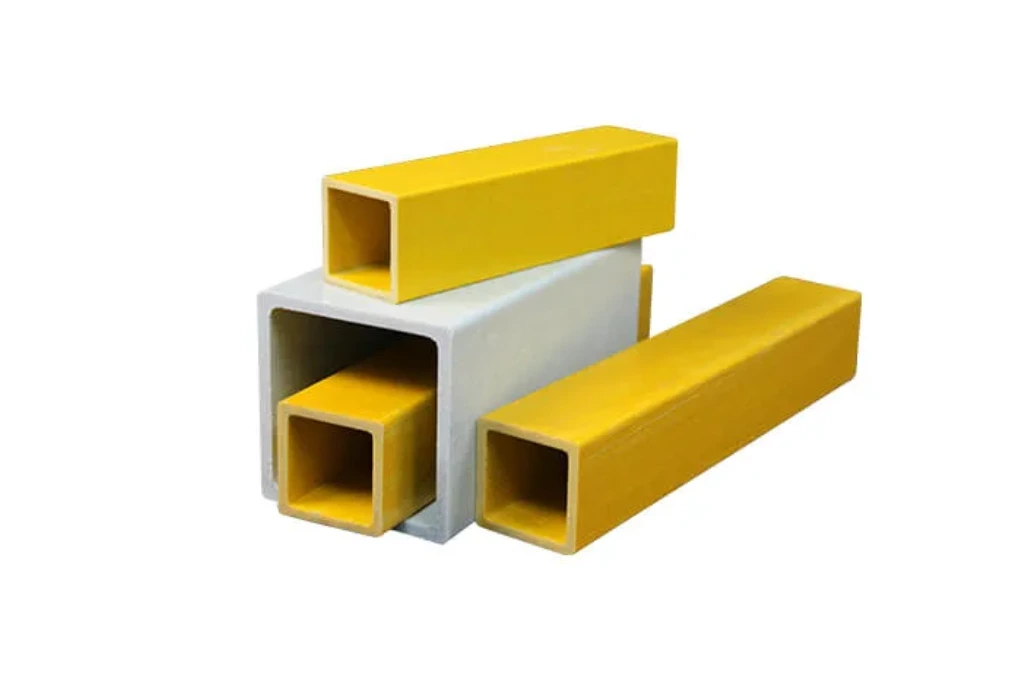
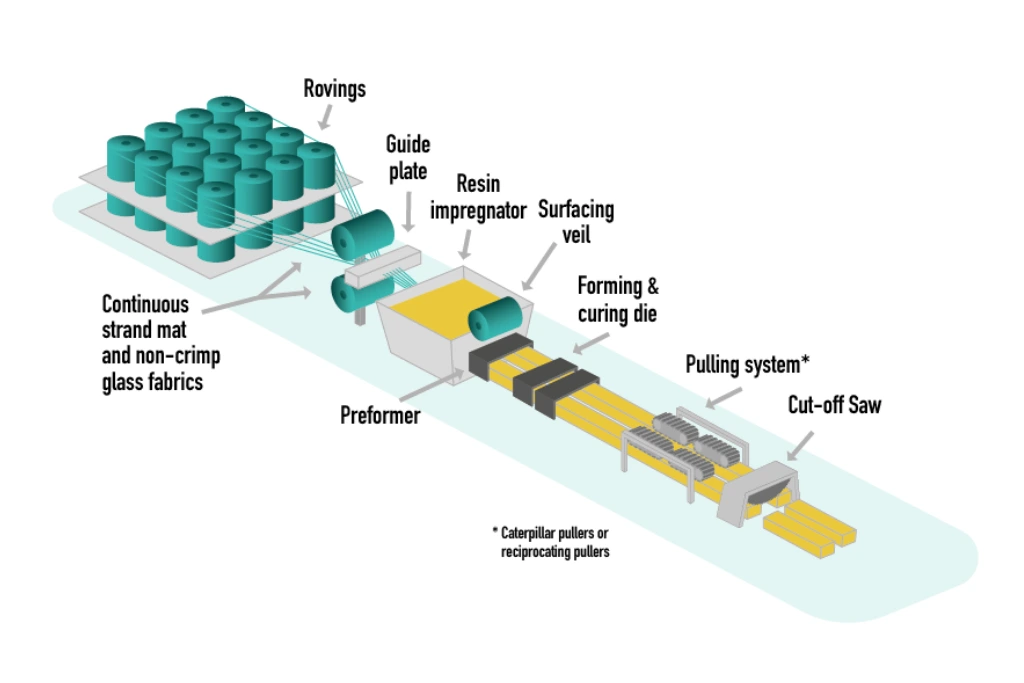
Produced through a continuous pultrusion process, FRP profiles feature aligned fiberglass reinforcement and uniform cross-sections. This results in predictable mechanical performance and dimensional accuracy, both of which are essential for industrial structures.
Typical industrial applications include:
- Structural frames in chemical plants
- Support structures in wastewater treatment facilities
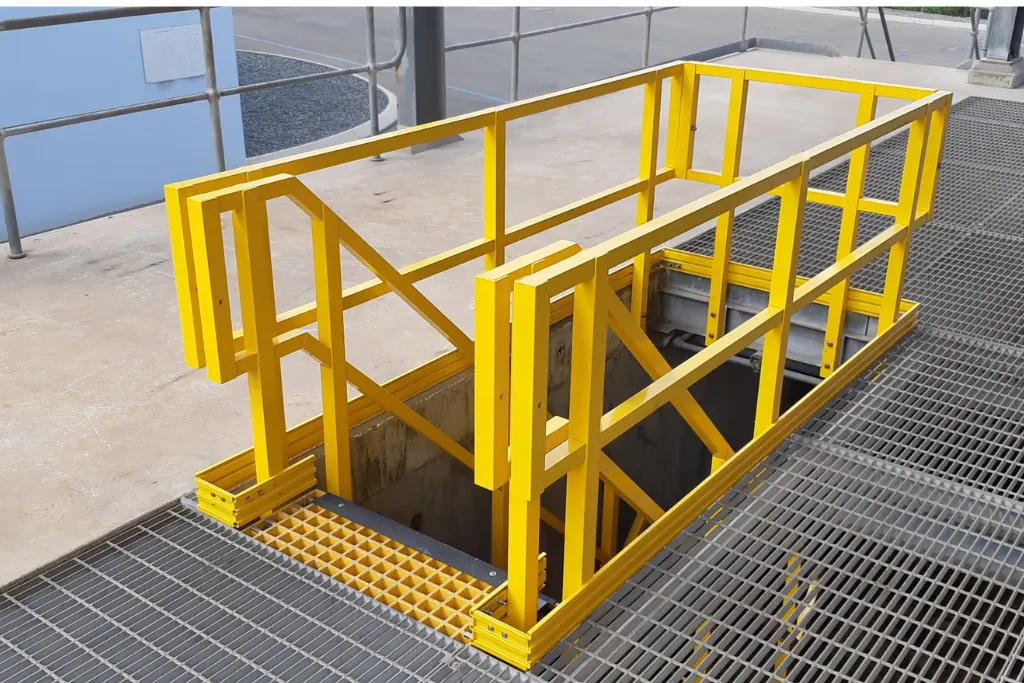
- Walkways, platforms, and access systems
- Roof frames and secondary structural systems
In these applications, FRP structural profiles offer clear advantages over steel by eliminating corrosion-related degradation.
Corrosion Resistance as a Primary Selection Factor
Corrosion resistance is one of the most important reasons FRP profiles are specified in the USA market.
Steel structures exposed to chemicals, moisture, or industrial fumes require continuous protection through coatings or galvanization. Over time, these protective systems degrade, leading to rust, section loss, and costly maintenance.
FRP profiles are inherently corrosion resistant throughout their entire cross-section. This makes corrosion-resistant FRP structural profiles suitable for long-term use in environments where metallic materials struggle to maintain performance.
Electrical Safety and Non-Conductive Performance
Electrical safety is a critical consideration in many US industrial sectors.
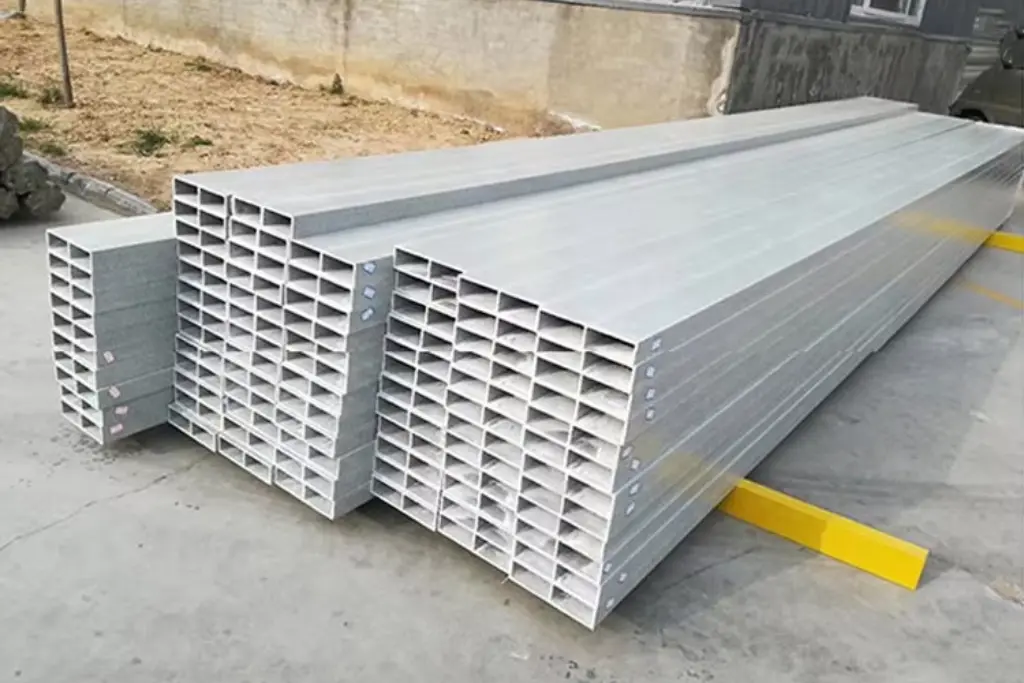
Pultruded FRP profiles are electrically non-conductive, making them ideal for use in electrical substations, power plants, and facilities with high-voltage equipment. This property reduces the risk of electrical hazards and simplifies compliance with safety regulations.
For these applications, non-conductive FRP profiles for the electrical industry provide a reliable alternative to steel or aluminum structures that require additional insulation measures.
Industry References and Technical Frameworks
Engineering specifications in the USA often reference recognized international standards and test methods.
In composite engineering discussions, EN 13706 European standards are commonly referenced as a framework for classifying pultruded FRP structural profiles. These standards help describe profile types, intended applications, and general performance characteristics.
Additionally, ASTM D638 is frequently cited when discussing tensile properties of FRP materials. While not specific to structural design, it provides useful insight into material behavior under load and supports comparative evaluation of composite materials.
These references serve as industry benchmarks rather than direct certification claims, helping engineers communicate technical expectations across global supply chains.
Industrial Applications Driving Demand in the USA
The demand for FRP pultruded profiles in the USA is driven by several key industrial sectors.
In chemical plants, FRP profiles are used for structural frames, platforms, and support systems exposed to aggressive substances. In wastewater facilities, FRP structures maintain performance under constant moisture and chemical exposure.
Other common applications include:
- FRP profiles for chemical plants
- Structural supports in heavy manufacturing facilities
- Non-metallic frames in electrical infrastructure
- Industrial roof and support structures
In each case, durability and reduced maintenance are critical factors.
Global Pultrusion Solutions Supporting the USA Market
Many FRP pultruded profiles suppliers in USA rely on global manufacturing partners to meet demand.
Large-scale projects often require consistent quality across significant volumes, which is supported by international pultrusion manufacturing networks. Global pultrusion solutions from Vietnam have become increasingly attractive due to stable production capability and cost efficiency.
Vietnam-based manufacturers are able to supply pultruded FRP profiles for overseas markets while maintaining controlled manufacturing processes and export readiness.
Vietnam as a Source of Pultruded FRP Profiles for the USA
Vietnam has emerged as a competitive manufacturing base for pultruded FRP structural profiles.
With growing expertise in composite manufacturing and established export infrastructure, Vietnamese suppliers can deliver:
- Consistent FRP profile geometry
- Reliable production capacity
- Competitive export pricing
- Stable logistics for overseas delivery
As a result, Vietnam FRP pultruded profiles manufacturers are playing an increasingly important role in supplying industrial projects in the USA.
THE FRONT and STRONX in the Global Supply Chain
THE FRONT operates as a Vietnam-based manufacturer and exporter of pultruded FRP profiles.
Through STRONX, the pultruded composite product line of THE FRONT, the company supplies FRP structural profiles designed for industrial applications requiring durability, corrosion resistance, and long-term performance.
THE FRONT focuses on manufacturing stability, consistent quality, and export-oriented supply, enabling its products to support industrial FRP supply chains serving the USA market.
Long-Term Value for USA Industrial Projects
For industrial projects in the USA, lifecycle performance is often more important than upfront cost.
By reducing corrosion-related maintenance, repainting, and structural replacement, FRP pultruded profiles lower total cost of ownership. This makes them particularly attractive for facilities operating continuously under harsh conditions.
As industrial standards continue to emphasize safety, durability, and operational efficiency, demand for reliable FRP pultruded profile suppliers is expected to grow.
FRP pultruded profiles suppliers in USA play a critical role in meeting the technical and operational demands of modern industrial projects.
By providing corrosion-resistant, non-conductive, and structurally consistent solutions, FRP profiles support a wide range of industrial applications where traditional materials face limitations.
With its STRONX product line, THE FRONT contributes to global pultrusion supply networks by delivering FRP structural profiles from Vietnam to overseas markets, including the USA. Through stable manufacturing and export readiness, THE FRONT supports industrial clients seeking long-term composite solutions.