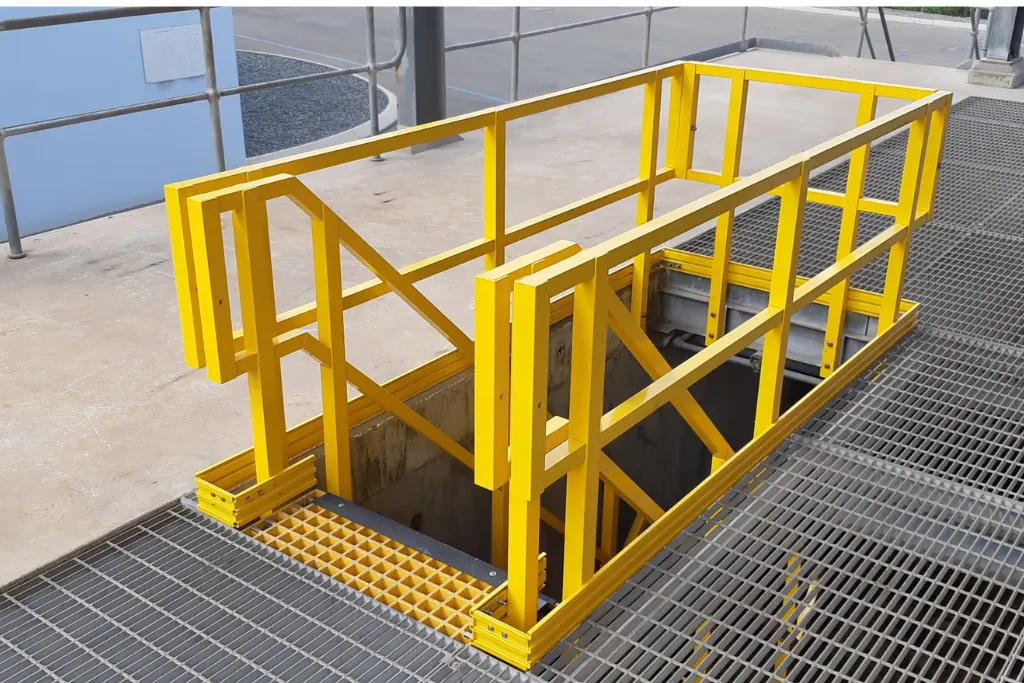
In modern industrial engineering, load-bearing frames are expected to deliver more than just structural strength. They must remain stable under continuous loads, resist harsh environmental

In modern industrial engineering, load-bearing frames are expected to deliver more than just structural strength. They must remain stable under continuous loads, resist harsh environmental
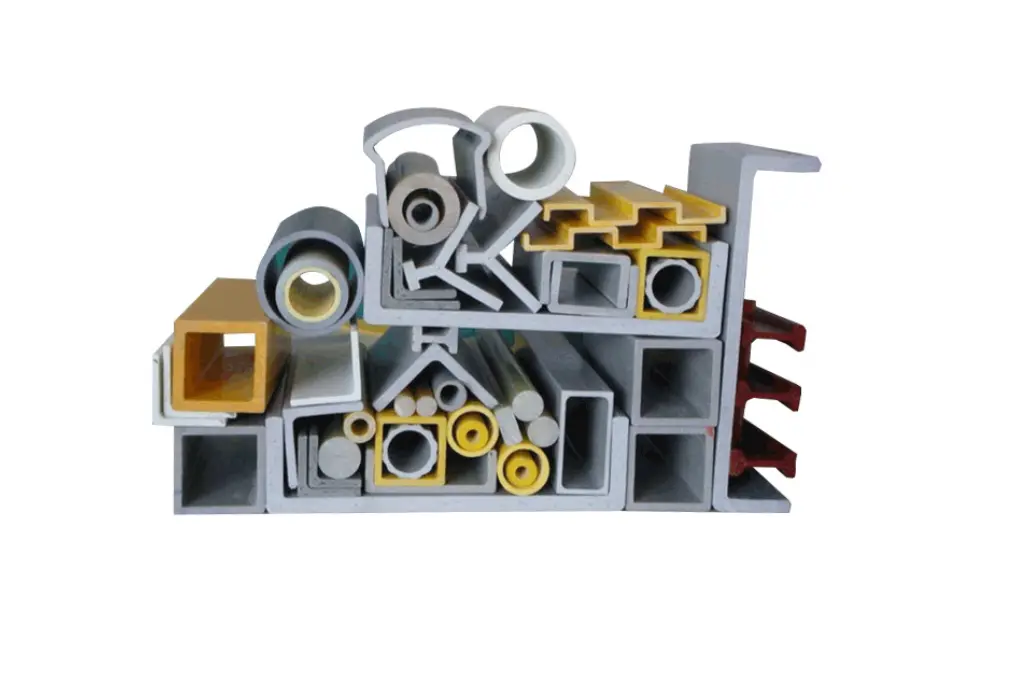
The United States is one of the most technically demanding markets for industrial construction materials. From chemical processing plants to power generation facilities, structural components
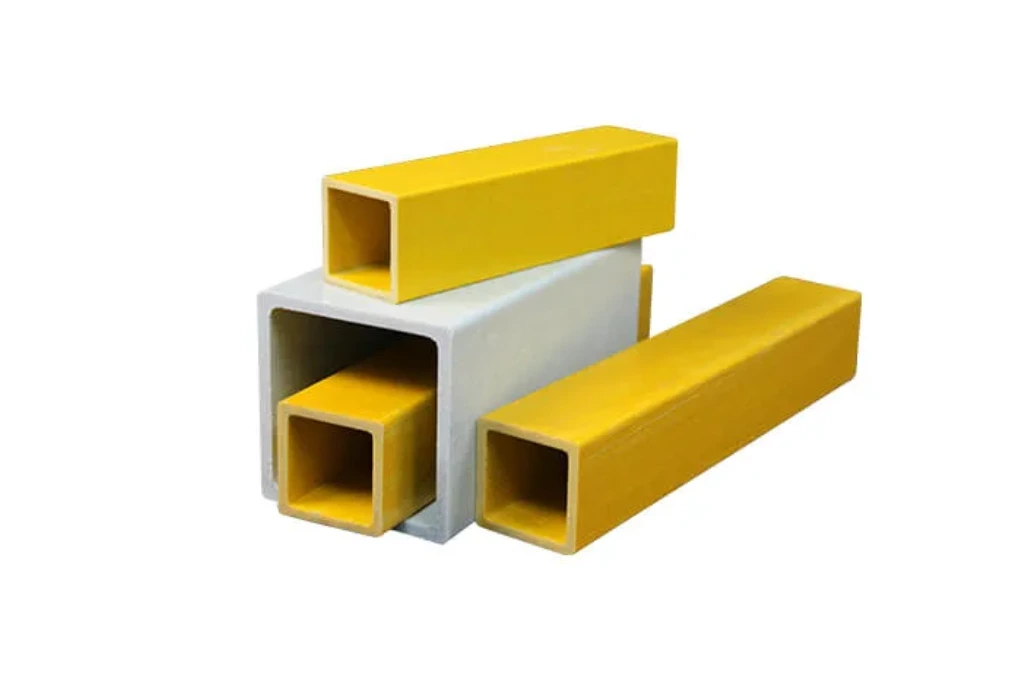
In industrial roofing and structural systems, purlins play a critical role in supporting roof loads and maintaining overall structural stability. Traditionally, steel purlins have dominated
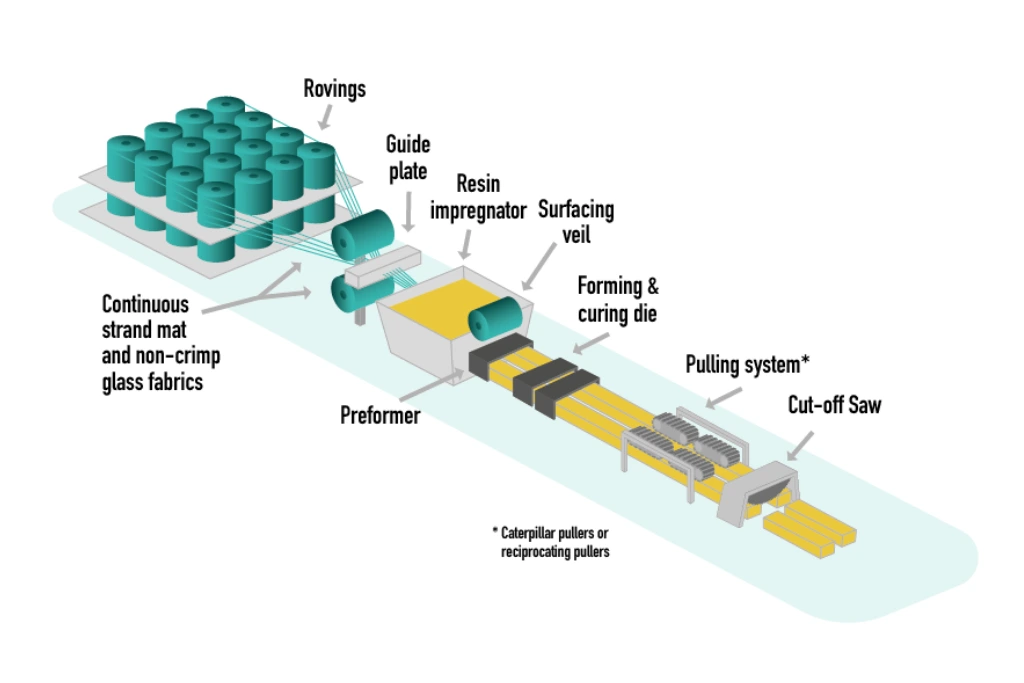
In industrial and infrastructure projects, structural reliability depends not only on material strength but also on consistency, predictability, and long-term durability. As composite materials become
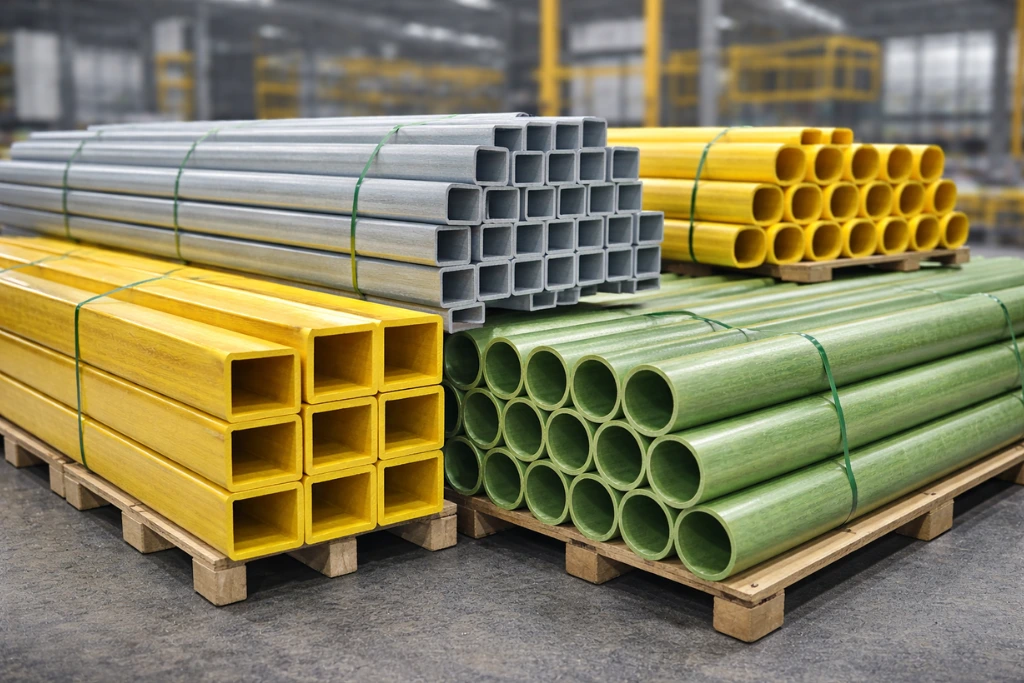
As industrial construction moves toward materials that are lightweight, corrosion-resistant, and easy to maintain, pultruded FRP tubes have become an important structural solution. Compared to
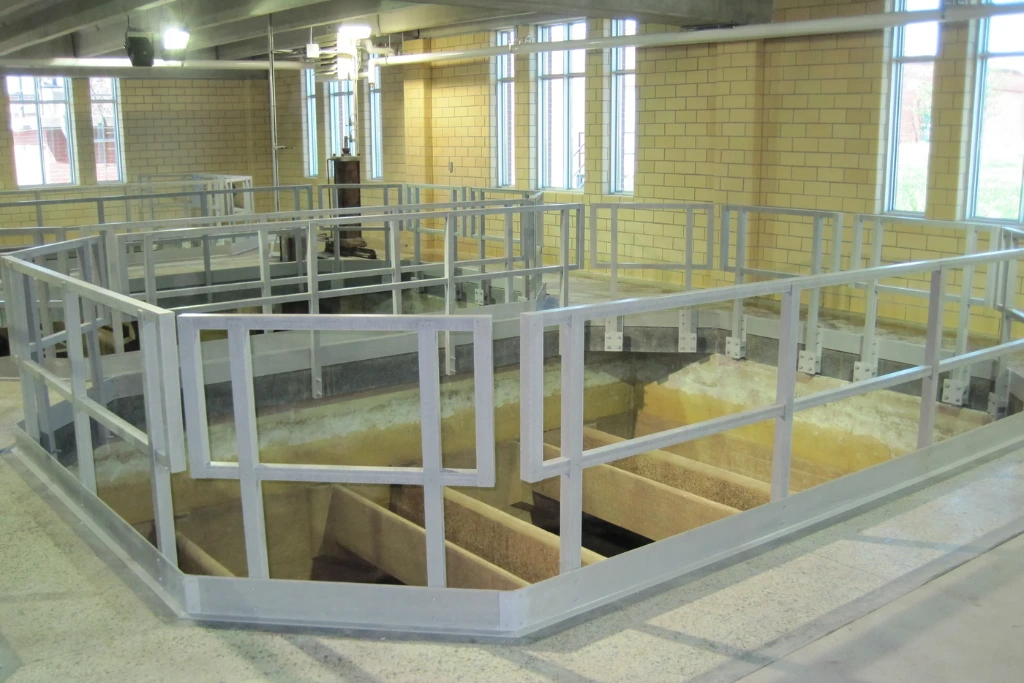
Industrial facilities operating in corrosive environments face persistent challenges related to structural degradation, maintenance downtime, and safety risks. Traditional structural materials such as carbon steel
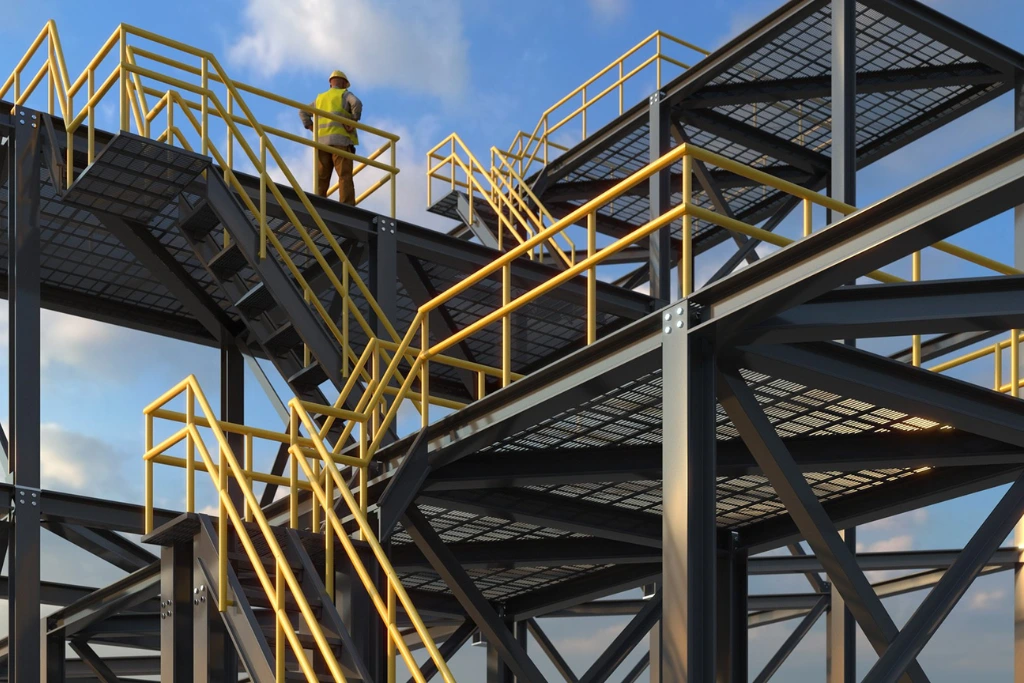
In modern industrial construction, material selection directly affects structural performance, durability, and long-term maintenance costs. Fiberglass Reinforced Polymer (FRP) has increasingly replaced traditional materials in

The global shift toward durable, lightweight, and corrosion-resistant materials has significantly increased demand for fiberglass reinforced polymer (FRP) products. Industrial sectors such as construction, manufacturing,
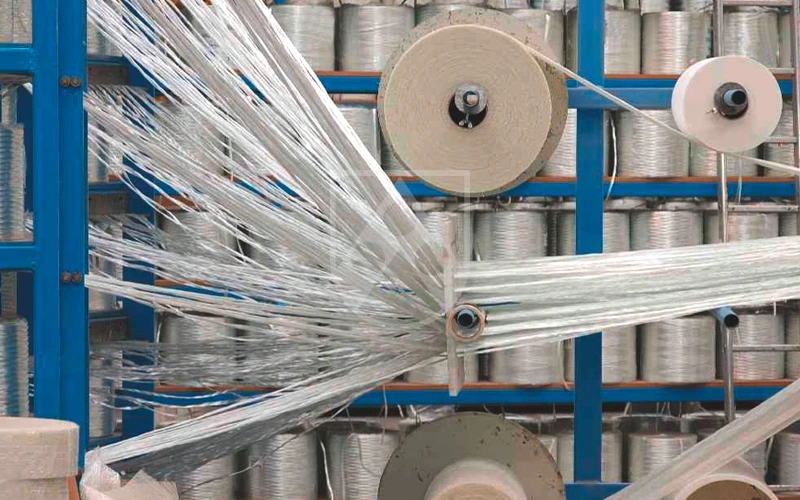
As industrial and infrastructure projects expand worldwide, demand is rising for structural materials that combine strength, durability, and low maintenance. In this context, pultruded FRP
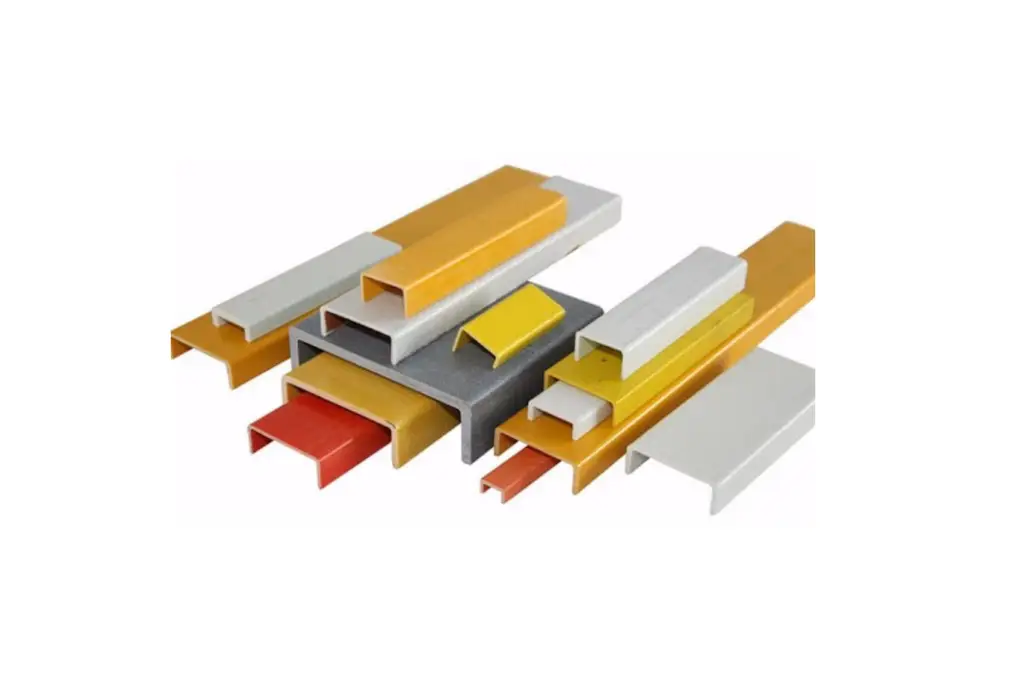
The pultrusion process is one of the most reliable composite manufacturing methods for producing continuous FRP structural profiles with stable mechanical performance. Unlike batch-based fabrication
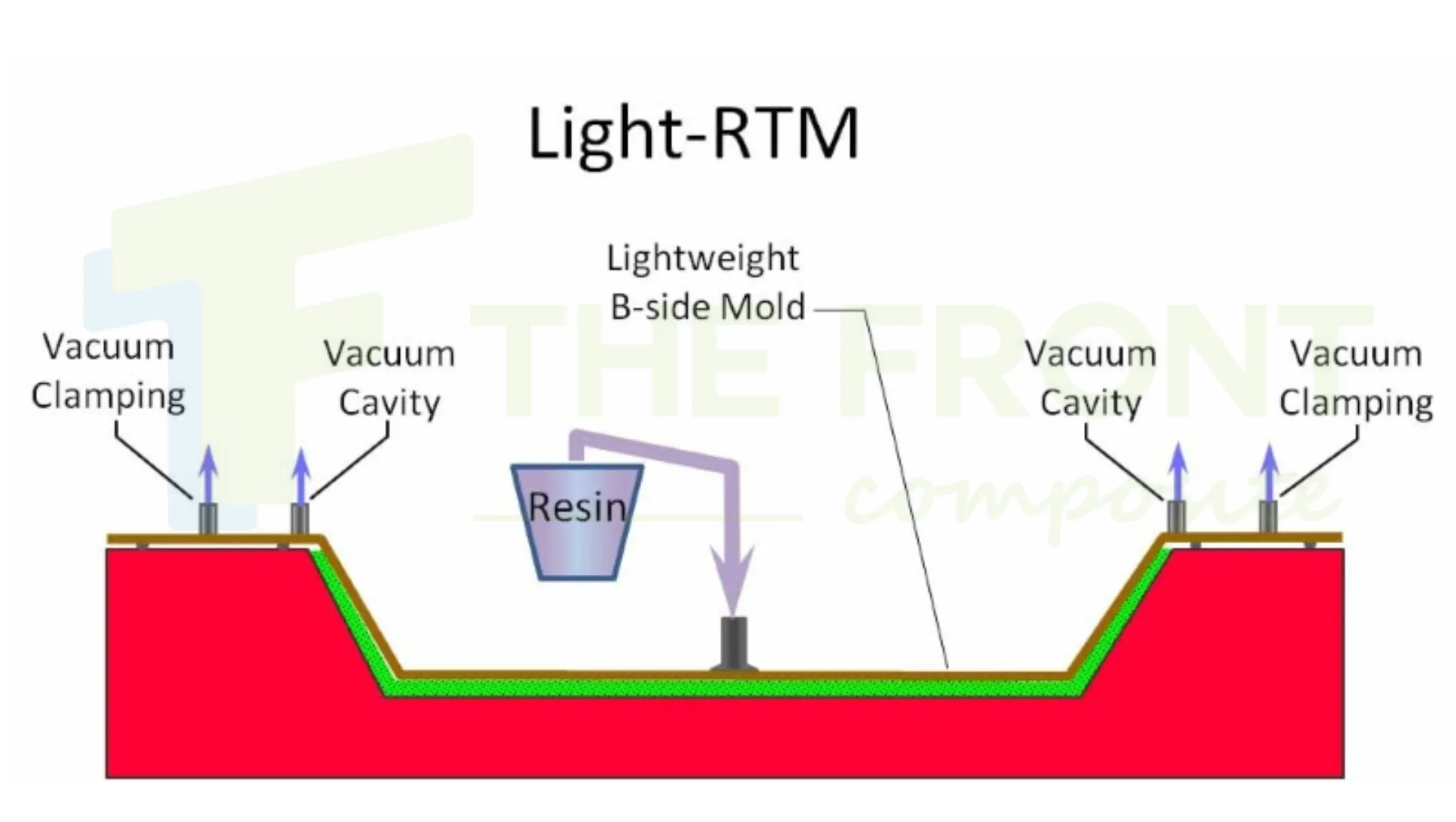
FRP (Fiberglass Reinforced Polymer) has become one of the most important composite materials used in industrial and infrastructure applications. As industries shift toward lightweight, corrosion-resistant,
Industrial engineering increasingly requires materials that combine strength, light weight, and long-term durability in harsh environments. Traditional steel and aluminum components often face problems such