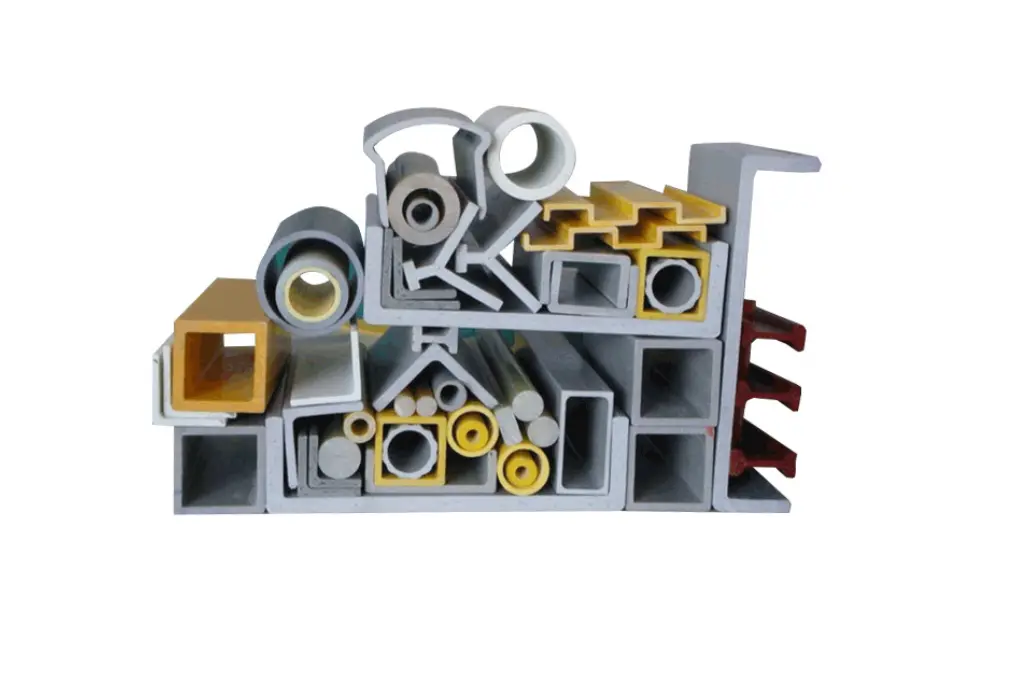
As global industries shift toward higher durability, lower maintenance, and lightweight structural solutions, composite materials have become essential in modern engineering. OEM FRP products are now widely adopted across chemical processing, transportation, medical equipment, wastewater treatment, and large-scale construction. Their combination of mechanical strength, corrosion resistance, and design flexibility allows international manufacturers to create customized composite components for specialized industrial needs.
With advanced production technologies and global supply capabilities, THE FRONT supports international clients with engineered OEM FRP solutions designed for demanding environments.
OEM FRP Products: A Customizable Approach to Composite Engineering
OEM FRP products allow manufacturers to design components based on specific mechanical, chemical, and environmental requirements.
FRP composites can be shaped into structural panels, shells, tanks, casings, equipment enclosures, and lightweight frames. This adaptability makes FRP suitable for industries where traditional materials cannot deliver the required level of performance or durability. Unlike metals that corrode or plastics that deform under stress, FRP composites maintain their integrity under continuous mechanical load and environmental exposure.
In OEM applications, the ability to tailor fiber orientation, resin type, thickness, and shape gives engineers full control over structural performance, making FRP an ideal solution for industrial products requiring precision and long-term reliability.
Benefits of Custom FRP Products for Industrial Use
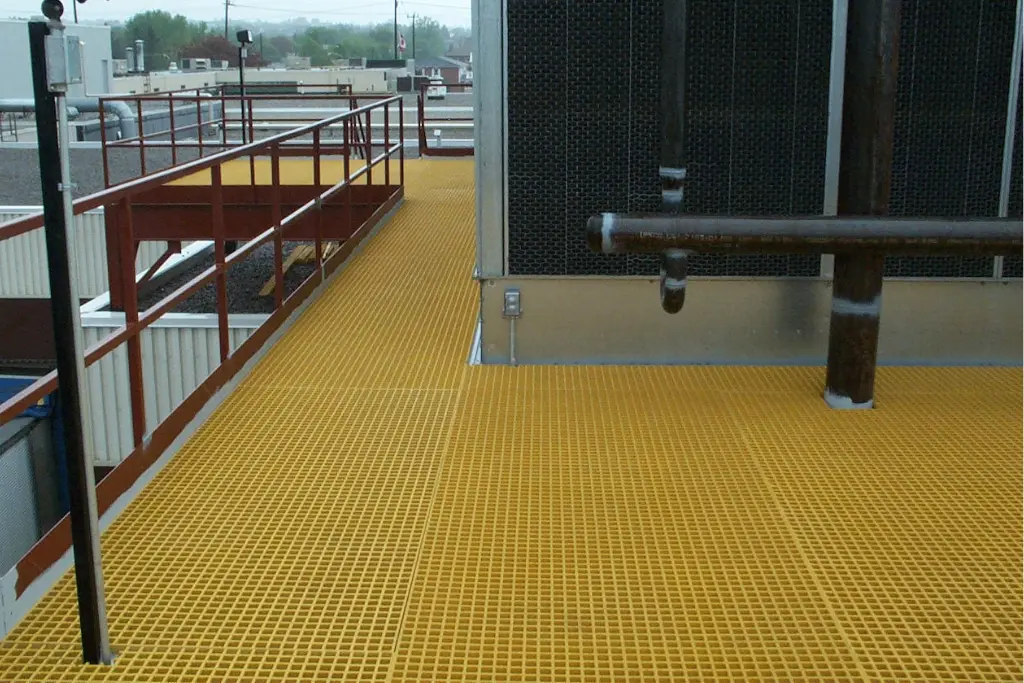
Custom FRP products for industrial use provide performance advantages that directly impact operational efficiency.
One significant benefit is corrosion resistance. FRP composites do not react with acids, alkaline substances, saltwater, or industrial vapors. This makes customized FRP structures valuable in chemical plants, wastewater facilities, desalination systems, and marine environments where metal components degrade quickly.
Another advantage is the lightweight nature of FRP. Engineers can design equipment or structures with reduced mass without compromising strength. This characteristic simplifies installation, reduces transportation cost, and enhances equipment portability. FRP also offers electrical insulation, making it safer for environments with electrical hazards or sensitive electronics.
Because OEM FRP components can be produced in large or complex geometries, industrial clients achieve design freedom that is difficult to replicate with steel or aluminum. This makes FRP composites essential for innovation-focused industries.
FRP Structural Components for Chemical Plants
FRP structural components for chemical plants are engineered to withstand highly corrosive environments that challenge traditional materials.
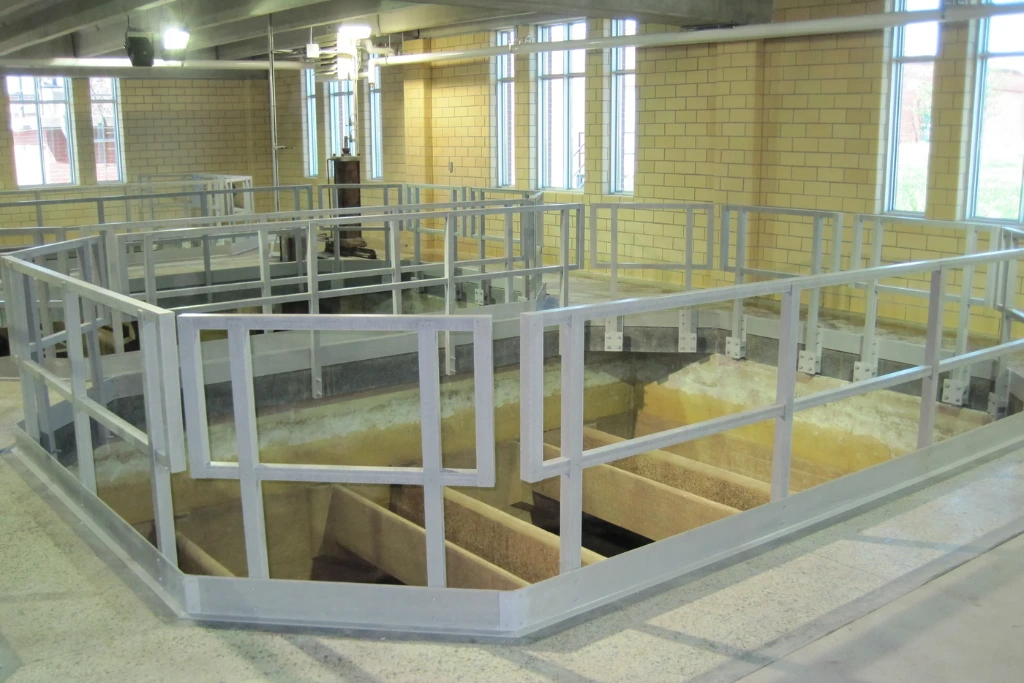
Chemical plants frequently expose equipment to acids, solvents, and high-moisture conditions. FRP composites resist chemical degradation and maintain strength over extended operating cycles. OEM-manufactured FRP platforms, covers, support beams, and tank components play a key role in improving plant safety and efficiency.
These components eliminate the need for frequent repainting, rust removal, or protective treatment. The ability to design each part according to the chemical exposure level and load requirement makes FRP a superior material choice for long-term chemical plant infrastructure.
FRP Chemical Tanks: Safe Handling for Corrosive and Hazardous Materials
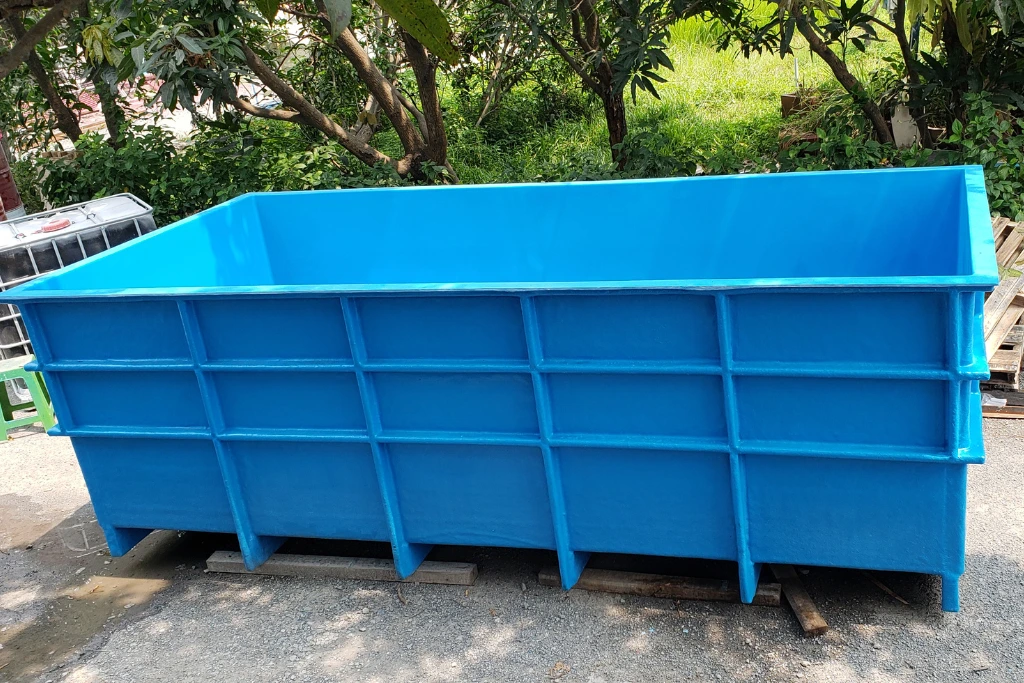
FRP chemical tanks are among the most widely adopted OEM FRP PRODUCTS due to their exceptional chemical resistance and structural reliability.
FRP tanks can be engineered to hold acids, alkalis, brine, and industrial chemical mixtures without corroding or leaching contaminants. Their layered composite structure ensures mechanical strength while maintaining a smooth, chemically inert internal surface.
In sectors such as water treatment, mining, pharmaceuticals, and industrial processing, FRP chemical tanks provide consistent performance with minimal maintenance. Their long lifespan also reduces the overall cost of plant operation, making them a preferred alternative to steel or polyethylene tanks.
OEM FRP Components for the Transportation Industry
FRP car body components demonstrate how OEM FRP products improve transportation design by reducing vehicle weight while maintaining rigidity.
Lightweight FRP components contribute to improved fuel efficiency, enhanced corrosion resistance, and long-term durability in harsh outdoor conditions. These materials also offer design flexibility for aerodynamic shapes and protective housings.
OEM FRP panels, bumper systems, roof shells, and internal structural parts are used in buses, electric vehicles, specialty machinery, and utility transport fleets. The ability to create large single-piece FRP moldings helps manufacturers reduce part count and streamline assembly processes.
FRP Medical Equipment Shells for Hygienic and Precise Applications
FRP medical equipment shell designs benefit from the material’s smooth finish, chemical resistance, and structural stability.
Medical devices and laboratory systems require casings that are easy to sterilize, resistant to disinfectants, and dimensionally stable. FRP composites provide a durable outer shell that protects internal electronics and mechanical components while offering design flexibility for ergonomic shapes.
OEM FRP medical equipment shells are used in diagnostic devices, imaging instruments, dental equipment, and laboratory analyzers. The ability to maintain shape accuracy and surface quality over time supports both performance and aesthetic requirements in healthcare environments.
The Front as a Global OEM FRP Manufacturer and International Supplier
THE FRONT is recognized as a global OEM FRP manufacturer providing advanced composite products to international industrial clients.
The company offers a full range of OEM services, including engineering design, material selection, mold development, and mass-production manufacturing. Its expertise spans RTM, LRTM, hand lay-up, and advanced laminating technologies, enabling precise control over thickness, surface finish, and mechanical properties.
As an international supplier of OEM FRP products, THE FRONT supports export projects across Asia, Europe, the Middle East, and North America. Consistent quality control, certified materials, and robust logistics ensure reliable delivery for large-scale engineering applications.
THE FRONT’s continuous development of composite technologies allows clients to integrate FRP materials into projects that demand corrosion resistance, impact strength, lightweight structures, and long-term durability.
OEM FRP products are transforming industrial applications by providing customizable, durable, and corrosion-resistant components for environments where traditional materials cannot perform reliably. Through tailored design and advanced fabrication processes, FRP composites support engineering demands in chemical processing, transportation, medical equipment, and large-scale industrial infrastructure.
As industries worldwide seek materials that improve safety, longevity, and structural efficiency, FRP composites continue to replace conventional materials across multiple sectors. With strong manufacturing capabilities and a global supply network, THE FRONT remains a trusted partner for OEM FRP solutions that meet the evolving needs of modern industrial engineering.