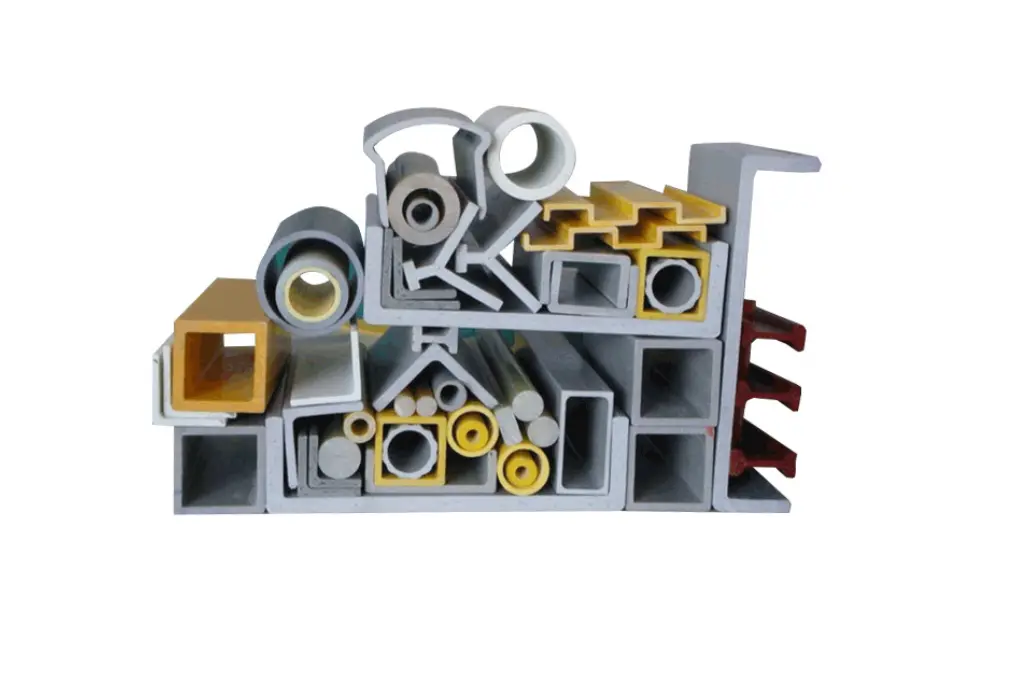
Across industrial plants, construction projects, and large-scale infrastructure, long-term structural stability has become a top priority. Harsh weather, corrosion, chemical exposure, and increasing maintenance costs make traditional materials less suitable for modern engineering needs. In this context, FRP solutions – lightweight, durable, and chemically resistant are rapidly becoming the preferred choice for international contractors seeking reliable performance over decades.
As one of the key suppliers of FRP solutions, THE FRONT designs composite systems engineered for demanding industrial and construction environments worldwide.
1. FRP Solutions for Modern Construction Needs
FRP solutions for construction offer lightweight performance with strong load-bearing capacity, enabling engineers to design efficient building systems without increasing structural weight.
FRP components such as roofing panels, purlins, translucent panels, and structural reinforcements contribute to faster installation and reduced foundation loads. Contractors benefit from a material that can be lifted manually, assembled quickly, and integrated into both new construction and retrofit projects. FRP also maintains dimensional stability under heat, humidity, and UV exposure, making it suitable for long-span roofs, façades, and exposed exterior structures.
These characteristics allow FRP solutions to enhance structural reliability while lowering long-term operational and maintenance costs.
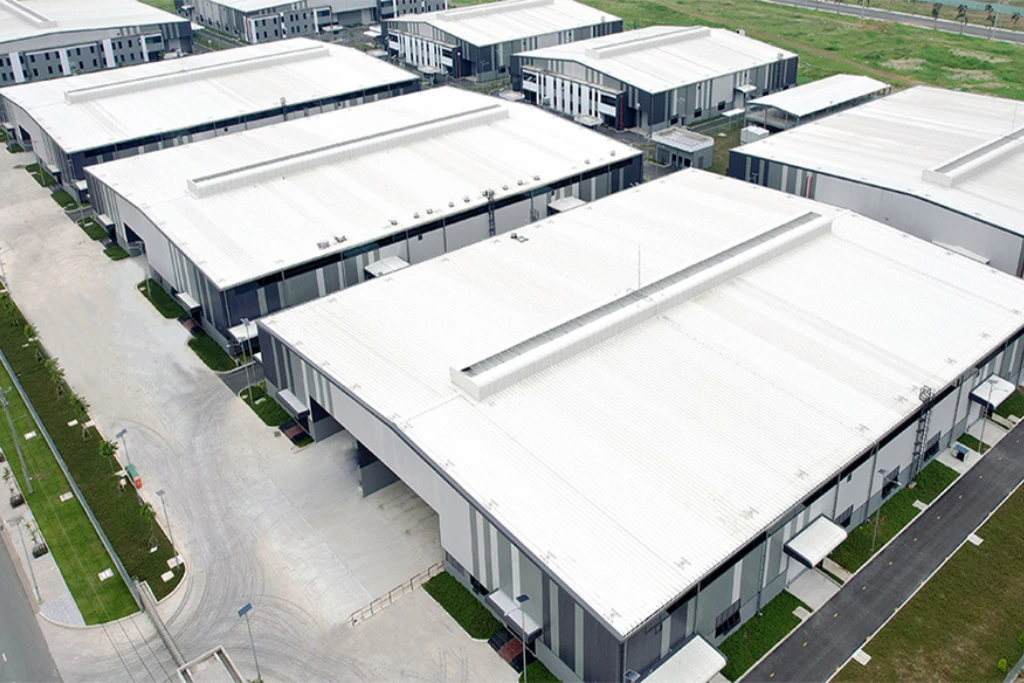
2. FRP Solutions for Industrial Plants Operating in Harsh Environments
FRP solutions for industrial plants are engineered to withstand aggressive environments where steel, aluminum, and concrete degrade more rapidly. Chemical vapors, saltwater, high humidity, and constant temperature changes accelerate corrosion and weaken conventional materials.
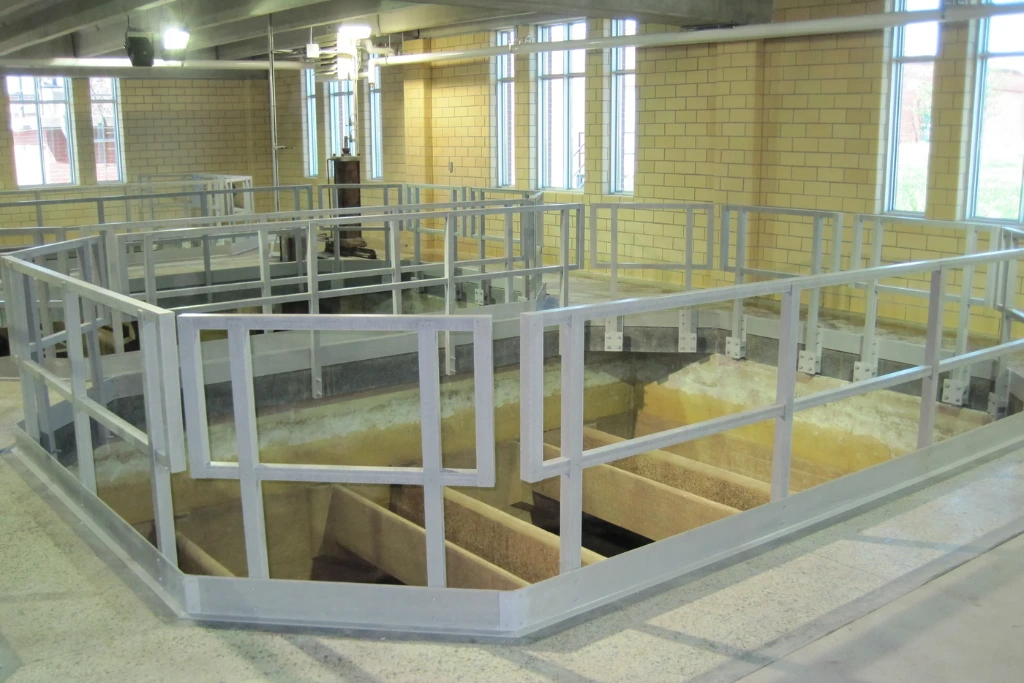
FRP resists chemical attack, does not rust, and remains mechanically stable even in continuous exposure conditions. This makes it ideal for wastewater facilities, chemical plants, desalination operations, and power generation infrastructure. Operators benefit from structures that maintain performance without requiring shutdowns for repair, repainting, or replacement.
Because FRP does not conduct electricity, it also enhances safety in plants with high-voltage equipment or sensitive control systems.
3. Corrosion-Resistant FRP Solutions for Long-Term Structural Performance
Corrosion-resistant FRP solutions offer long-term durability even when exposed to acids, salts, or industrial contaminants, making them suitable for environments where metals fail prematurely.
FRP achieves corrosion resistance through its polymer matrix, which forms an inert barrier against corrosive agents. Combined with glass fiber reinforcement, the material maintains its strength over decades without weakening due to oxidation or moisture penetration. This stability reduces structural failures, safety risks, and lifecycle costs.
For contractors seeking reliable materials for coastal construction, chemical storage areas, or heavy industrial plants, FRP provides a robust alternative to metal components.
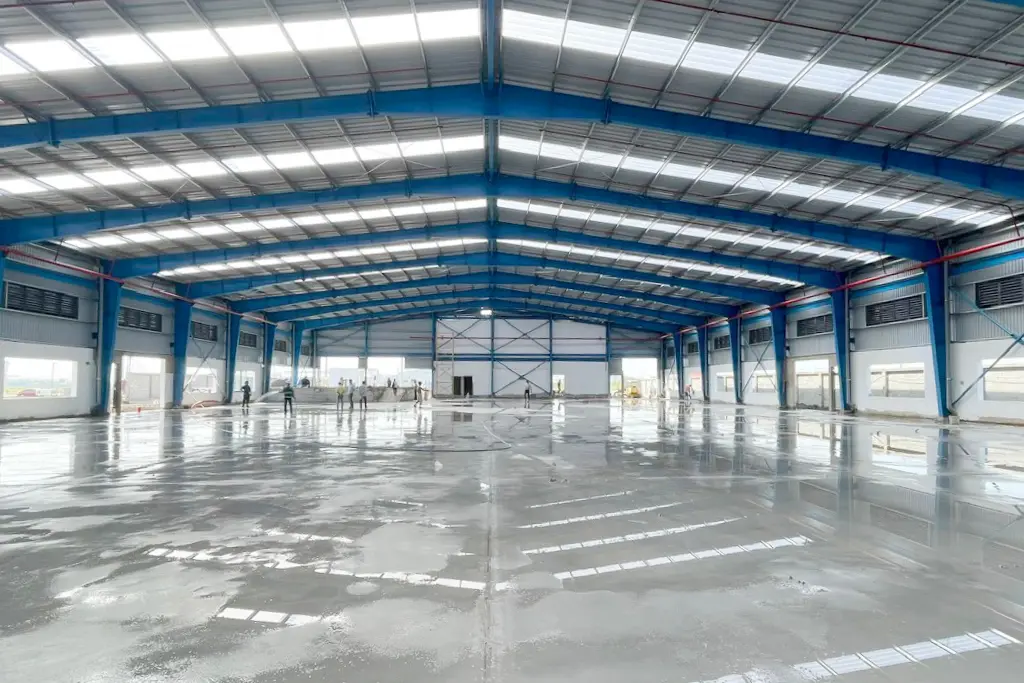
4. UV-Resistant and Fire-Retardant FRP Solutions for Enhanced Safety
UV-resistant FRP solutions protect structures from long-term sunlight exposure, preventing surface degradation and mechanical loss. UV stabilizers and gelcoat layers enhance color retention, surface hardness, and outdoor durability. This ensures consistent performance for skylights, façades, exterior cladding, and daylighting panels.
Fire-retardant FRP solutions use specially formulated resin systems designed to meet international fire safety requirements. These materials reduce flame spread, limit smoke production, and maintain structural shape at elevated temperatures. Fire-retardant composite panels are essential for industrial buildings, warehouses, and public infrastructure where safety compliance is mandatory.
Together, UV resistance and fire performance make FRP a reliable choice for high-risk environments requiring both durability and protection.
5. Lightweight and High-Strength FRP Solutions for Structural Efficiency
Lightweight FRP solutions reduce transportation, installation, and handling challenges, especially in elevated or remote locations. This advantage allows contractors to accelerate project timelines while minimizing the need for heavy machinery.
Despite being lightweight, FRP delivers high structural strength. High-strength FRP solutions perform well under tension, bending, and impact loads, making them suitable for walkways, platforms, frames, and load-bearing supports. Their strength-to-weight ratio exceeds many traditional materials, enabling engineers to design efficient structures without compromising stability or safety.
This combination low weight and high strength is a primary reason global contractors adopt FRP solutions for modern construction and industrial engineering.

6. Natural Lighting Solutions Using Translucent FRP Panels
Natural lighting solutions using translucent FRP panels support energy-efficient design by allowing controlled daylight transmission into industrial buildings. These panels diffuse sunlight evenly, reduce glare, and lower the need for artificial lighting during daytime operations.
FRP translucent sheets provide better durability and UV resistance than traditional plastic rooflights, ensuring clear and consistent lighting throughout the product lifespan. Contractors benefit from improved building energy performance and reduced maintenance, especially in large warehouses and production facilities.
7. The Role of OEM FRP Solutions in Custom Engineering Projects
OEM FRP solutions allow contractors to specify custom shapes, thicknesses, colors, and mechanical requirements, enabling tailored components for unique industrial projects.
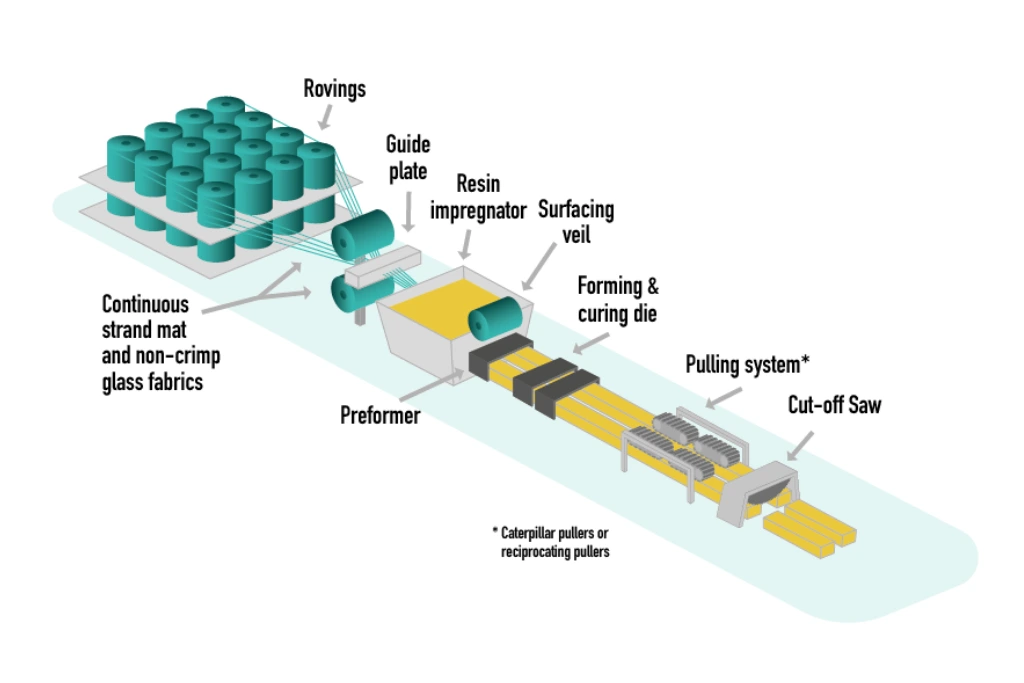
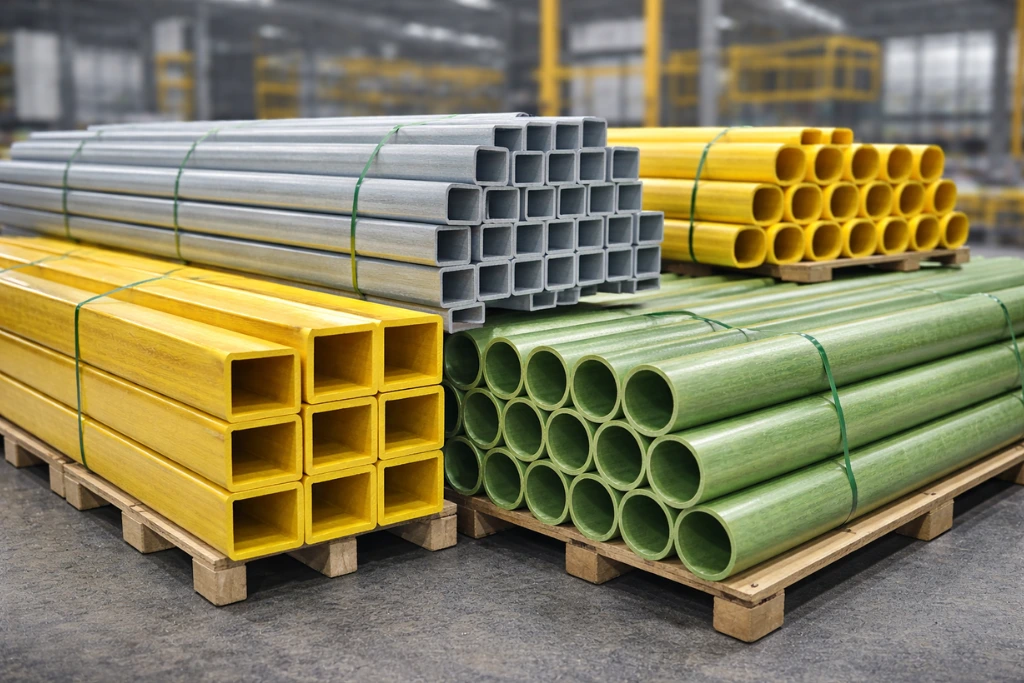
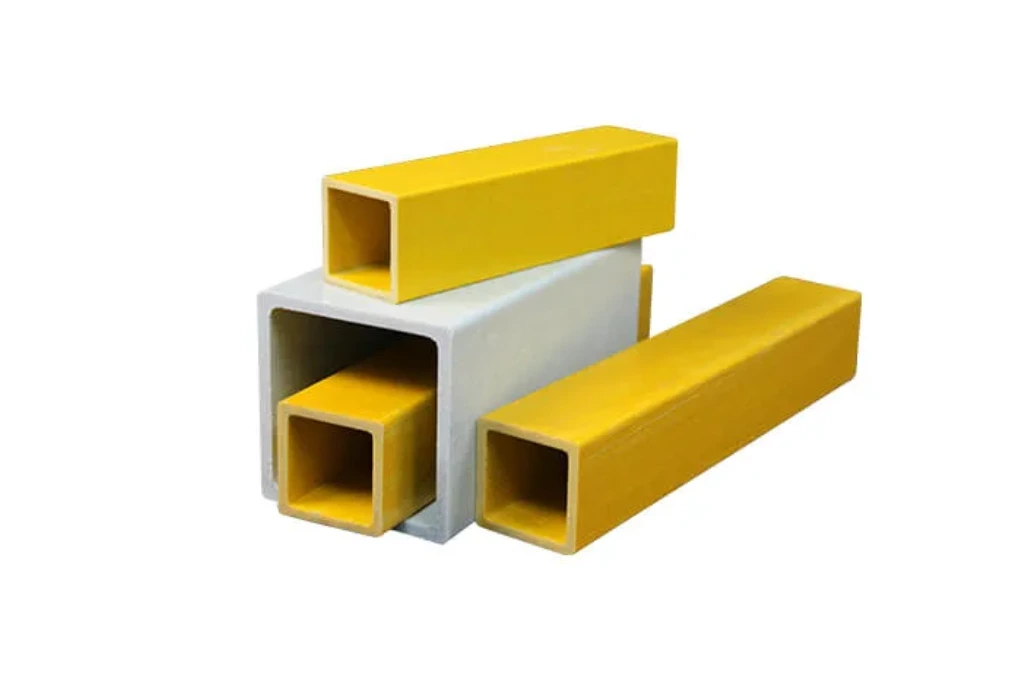
THE FRONT works closely with engineering teams to manufacture FRP parts using RTM, LRTM, lamination, and pultrusion processes. This ensures products meet global standards for strength, dimensional accuracy, and surface finish. Custom FRP components are used in machinery housings, architectural elements, industrial covers, and structural systems where conventional materials do not meet performance requirements.
OEM capabilities make FRP solutions highly adaptable for international projects requiring specific mechanical and environmental performance.
8. Why Global Contractors Choose THE FRONT as Their FRP Supplier
THE FRONT is recognized among global contractors and industrial clients for delivering FRP solutions with consistent quality and high engineering performance. Its products are designed for long-term operation in corrosive, high-load, and weather-intensive environments.
Contractors rely on THE FRONT because it offers:
- Proven experience in global FRP supply
- Technologies that ensure precision and durability
- Customized FRP solutions for specialized applications
- Reliable export capabilities and international support
As construction and industrial infrastructure continue to evolve toward durable, low-maintenance materials, THE FRONT remains a key provider of trustworthy FRP systems.
FRP solutions provide a strategic advantage for contractors seeking long-term structural stability, reduced maintenance, and improved safety performance. Whether applied in construction, industrial facilities, or high-risk environments, FRP offers a unique combination of corrosion resistance, high strength, UV stability, and lightweight installation benefits.
As global industries shift toward more durable and efficient materials, FRP continues to outperform traditional options in both lifespan and engineering value. With advanced manufacturing capabilities and international expertise, THE FRONT is positioned as a leading supplier of FRP solutions for modern infrastructure worldwide.