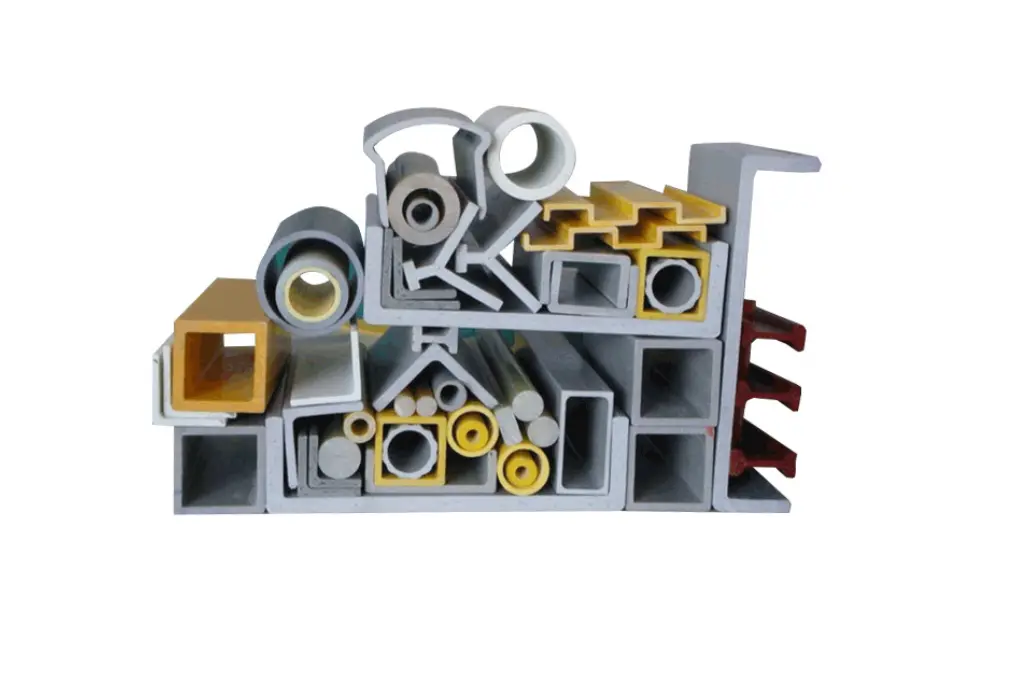
FRP composite has become one of the most reliable materials for modern industrial and construction environments. Its combination of strength, durability, and corrosion resistance offers engineers a long-lasting alternative to traditional building materials. As global projects demand better performance with lower life-cycle costs, FRP composite materials supplied by THE FRONT are increasingly adopted in critical structures.
FRP Composite Material: What Makes It Different
FRP composite is engineered from reinforcement fibers and a polymer matrix, creating a material that delivers high structural performance with excellent resistance to environmental stress.
FRP fibers provide tensile and flexural strength, while the resin matrix protects the fibers from moisture, chemicals, and UV exposure. This material architecture allows FRP composites to maintain stability and mechanical integrity where metals and wood often degrade. Because of this engineered structure, FRP Composite material performs consistently in industries requiring strength, chemical resistance, and low maintenance.
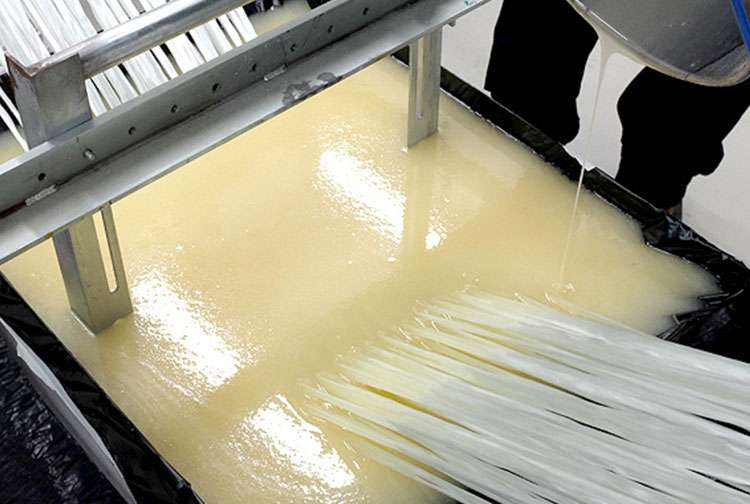
Key Benefits of FRP Composite in Engineering Applications
• Corrosion and chemical resistance
FRP does not rust, corrode, or react with acids, salts, or moisture. This makes it suitable for facilities exposed to harsh chemicals, coastal air, or wastewater environments.
• Lightweight with high mechanical strength
FRP achieves a high strength-to-weight ratio, often outperforming steel on a weight-adjusted basis. This reduces structural load, simplifies transportation, and speeds up installation.
• Dimensional and environmental stability
FRP maintains stiffness and mechanical properties under UV exposure, temperature changes, and humidity. Its stable performance ensures long service life in both indoor and outdoor structures.
• Low maintenance requirements
Unlike steel that requires repainting or wood that requires sealing, FRP remains structurally sound without frequent maintenance. This reduces operational costs over the lifespan of industrial structures.
• Electrical insulation and safety
The non-conductive nature of FRP Composite products makes them ideal for power plants, manufacturing facilities, and any environment requiring electrical safety.
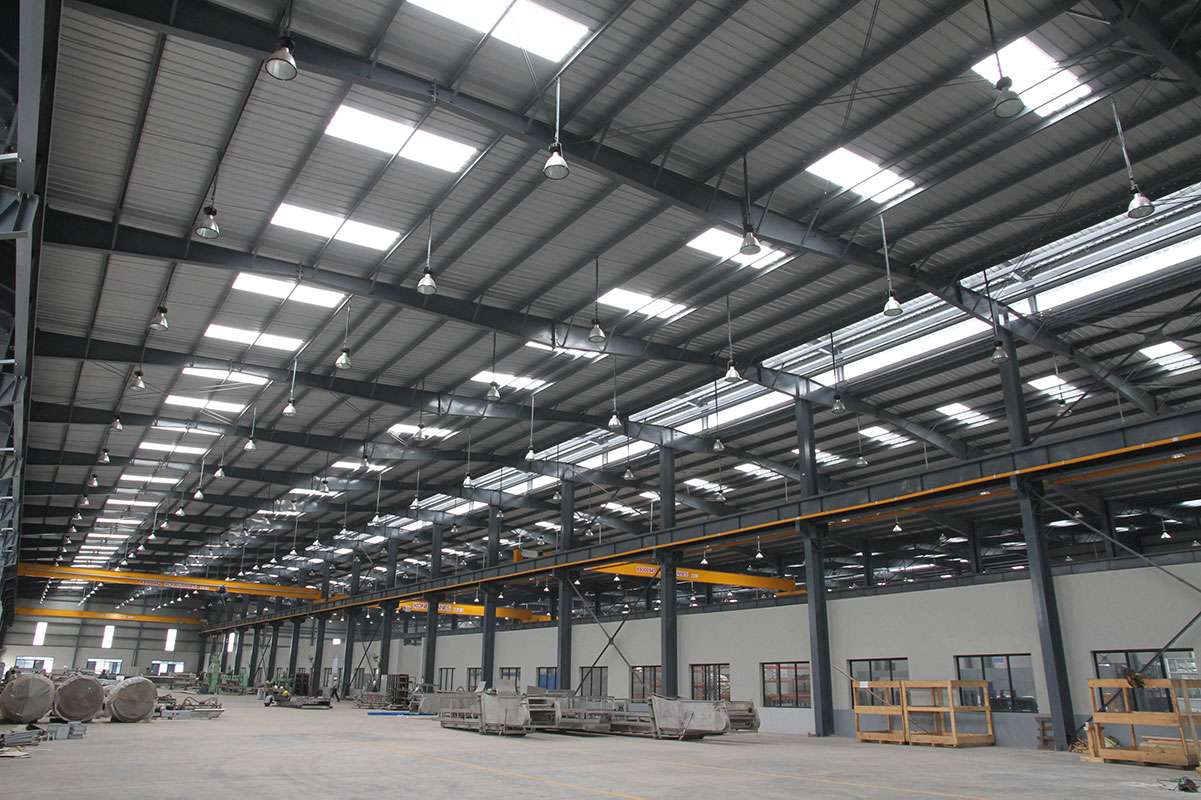
Advantages of FRP Composite Over Traditional Construction Materials
FRP composite offers advantages that metals and wood cannot match, particularly in long-term durability and operating cost. Steel provides high strength but is vulnerable to corrosion and requires constant protective coatings. Aluminum is lightweight but less resistant to chemical environments. Wood is economical but deteriorates quickly in industrial settings.
FRP composite combines the best features of structural materials – strength, lightness, and resilience while minimizing long-term risks. Its ability to resist degradation under extreme conditions gives engineers more freedom to design efficient and durable structures without anticipating frequent replacements.
Applications for FRP Composite in Industrial and Construction Projects
FRP Composite in construction is now used in a wide range of structural and architectural systems.
Common applications include roofing supports, wall cladding, translucent panels, and lightweight structural frames. These components benefit from FRP’s ability to withstand outdoor exposure, mechanical load, and chemical attack.
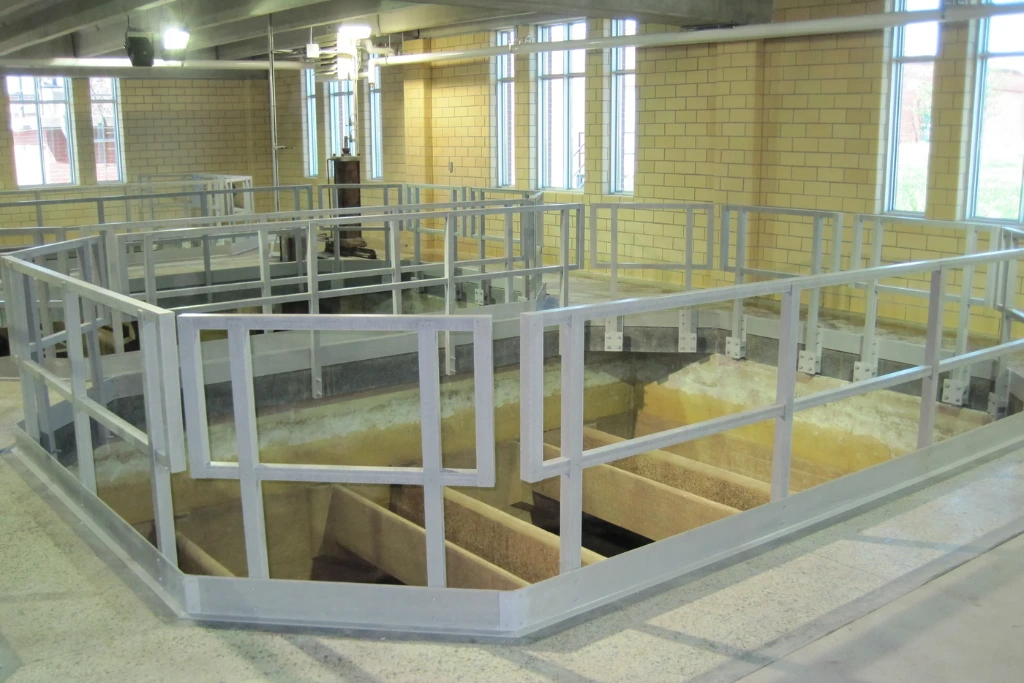
In industrial environments, FRP composite plays an essential role in anti-corrosion systems, walkways, platforms, and equipment housings. Its dielectric properties make FRP safe for zones with electrical equipment, while its low weight enables fast installation during plant upgrades or expansions.
FRP Composite products are also used in renewable energy, marine structures, and water treatment facilities—sectors where long-term performance matters more than short-term material cost.
THE FRONT’s Capabilities in Advanced FRP Composite Products
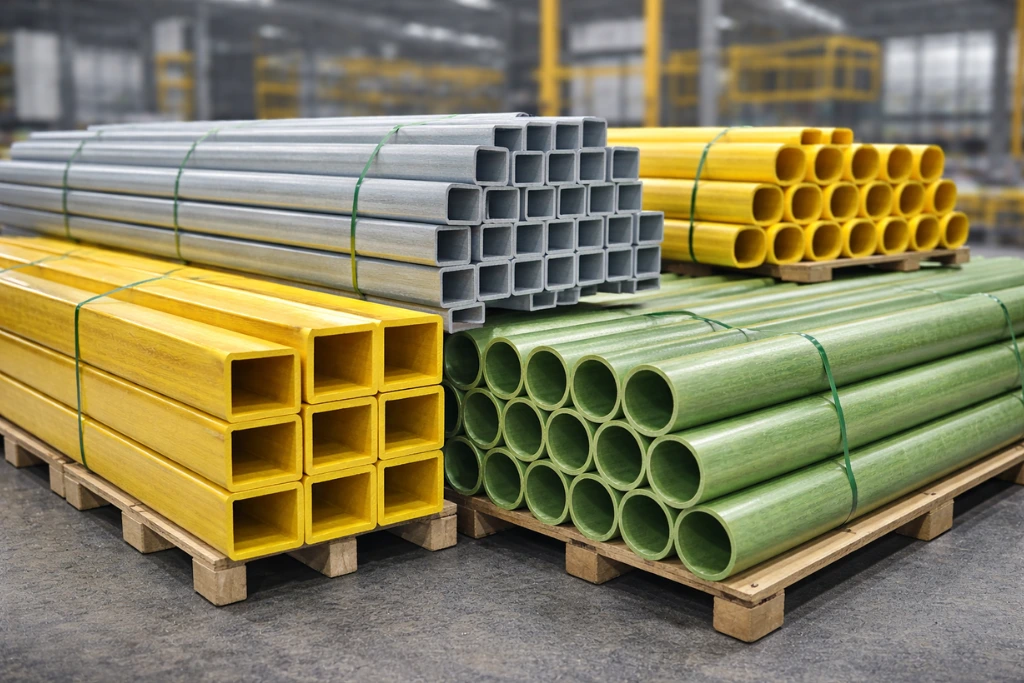
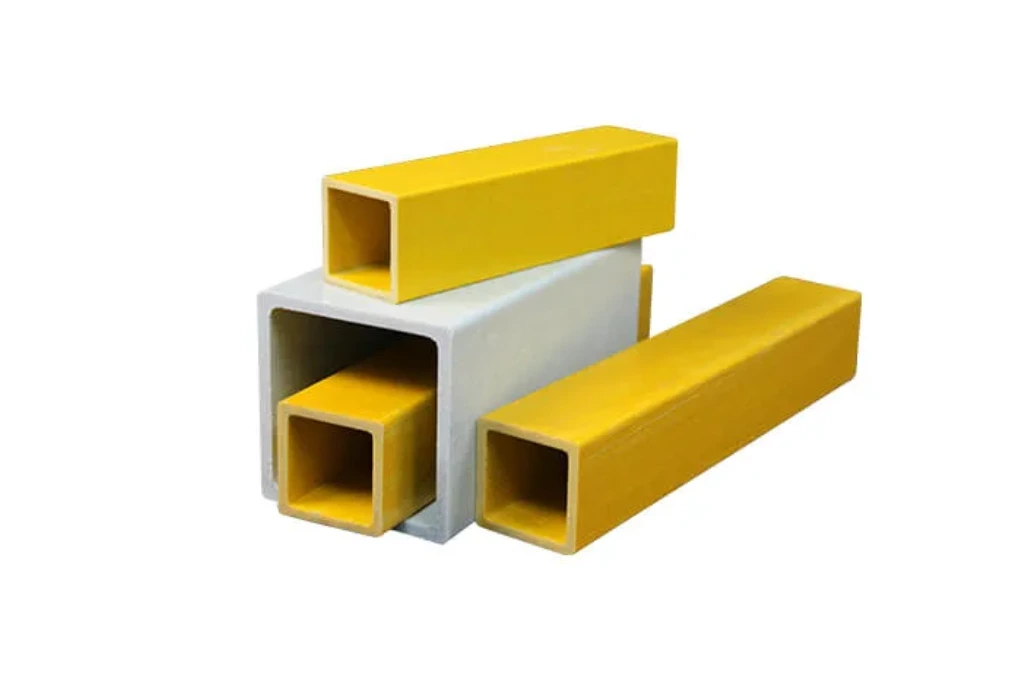
THE FRONT specializes in developing high-performance FRP composite solutions for global industrial clients. The company produces roofing and skylight panels, structural composite components, and customized FRP systems designed for specific engineering needs.
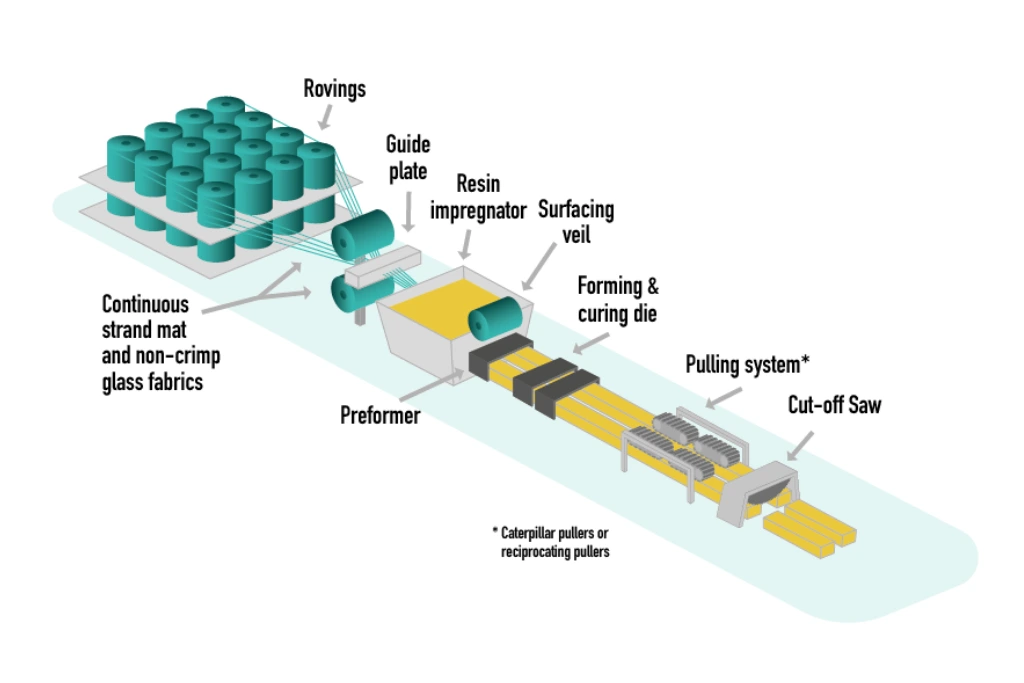
Through refined manufacturing technologies such as RTM, LRTM, and pultrusion, THE FRONT ensures consistent material quality, mechanical reliability, and adherence to international standards. Its products support long-lasting infrastructure by reducing maintenance cycles and enhancing operational safety.
FRP composite has become a key solution for engineers seeking durable, lightweight, and corrosion-resistant materials for industrial and construction structures. Its benefits strength, stability, low maintenance, and resistance to harsh environments make it one of the most reliable materials for long-term structural performance.
As industries transition toward high-efficiency, low-maintenance infrastructure, FRP composites supplied by THE FRONT provide a proven foundation for sustainable and resilient engineering design.